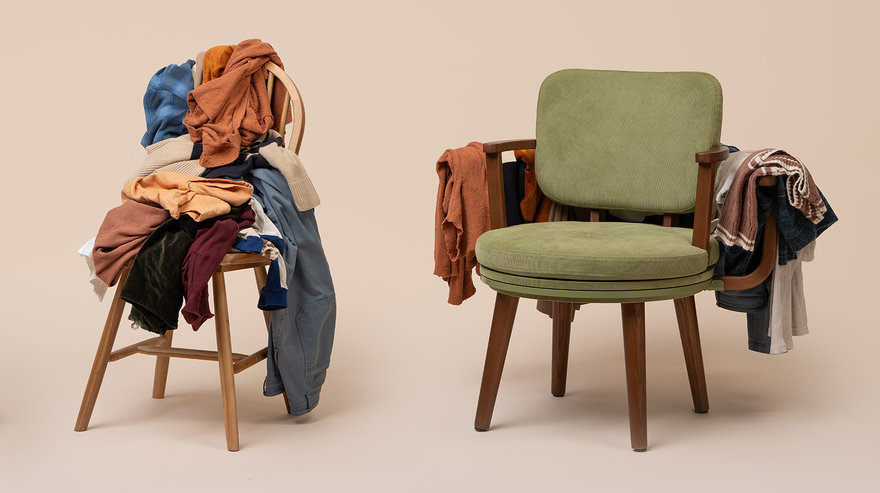
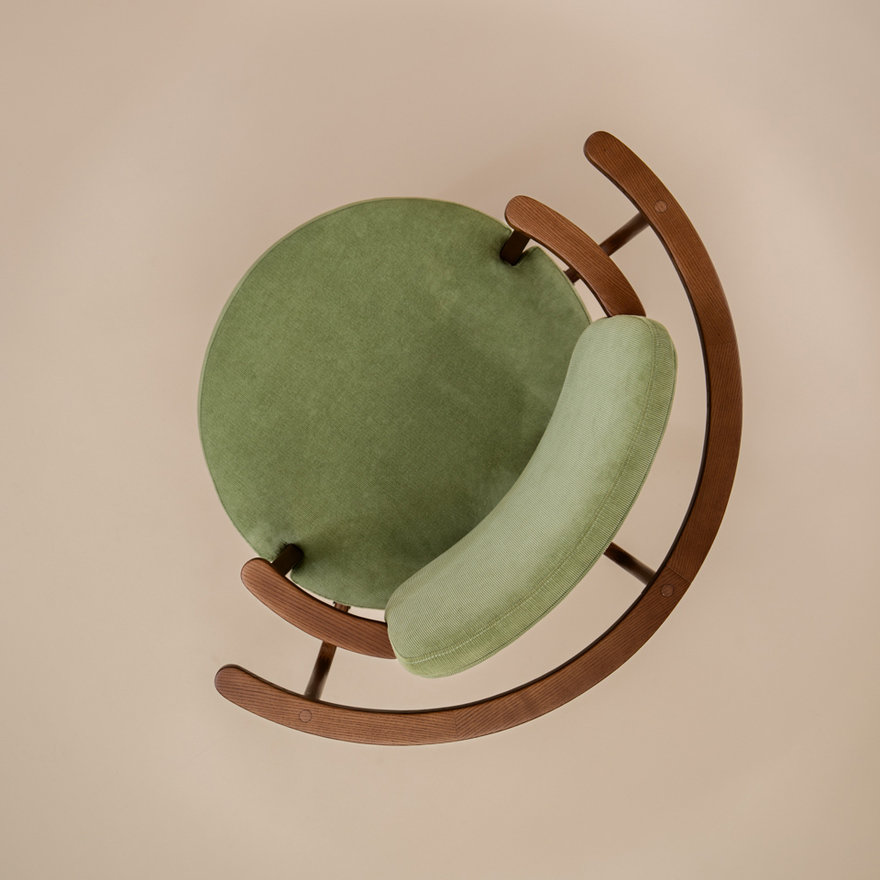
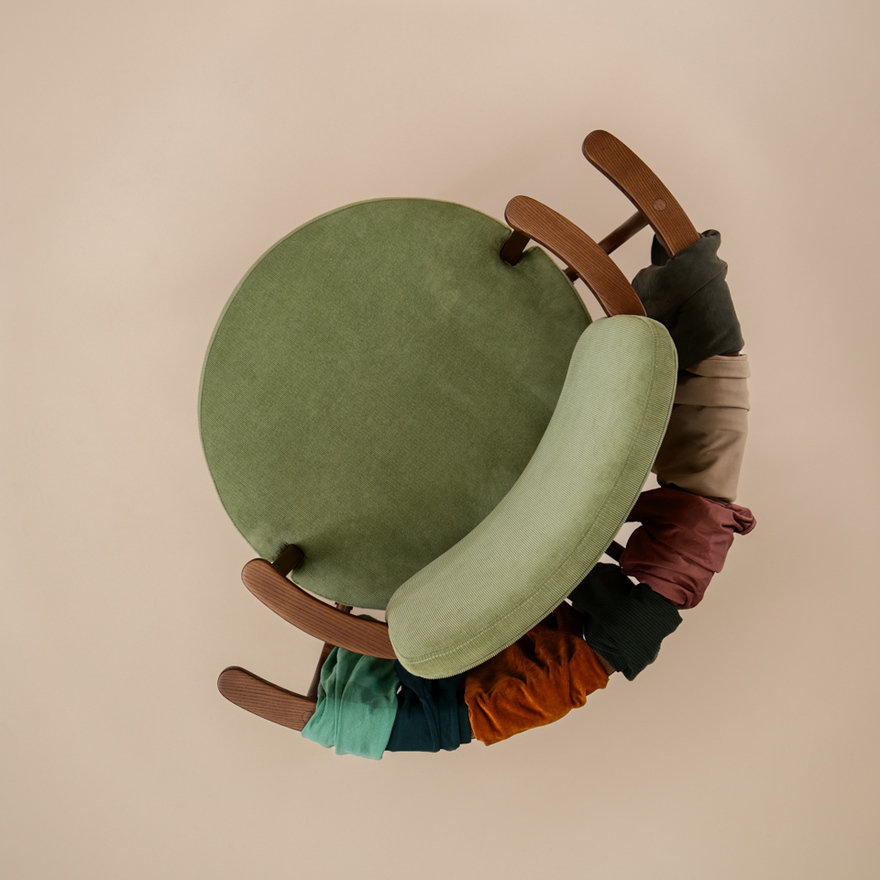
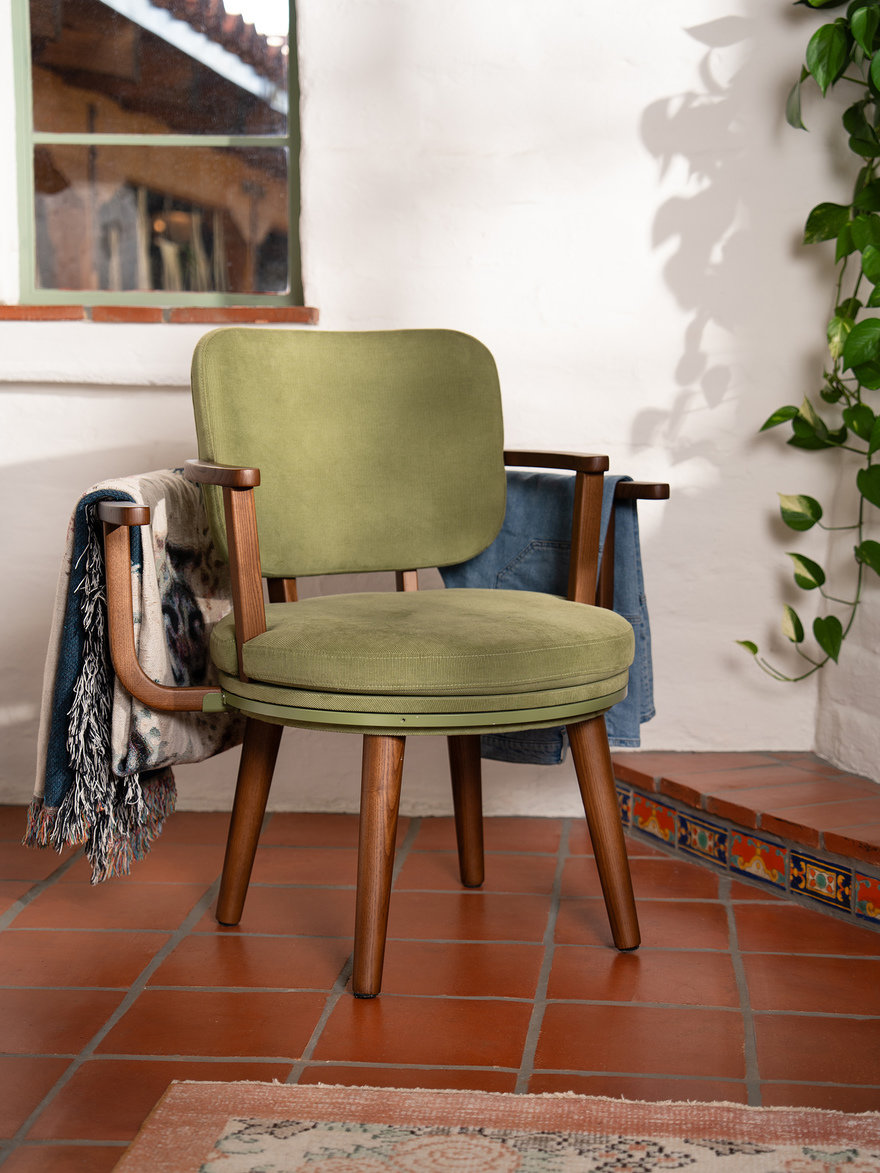
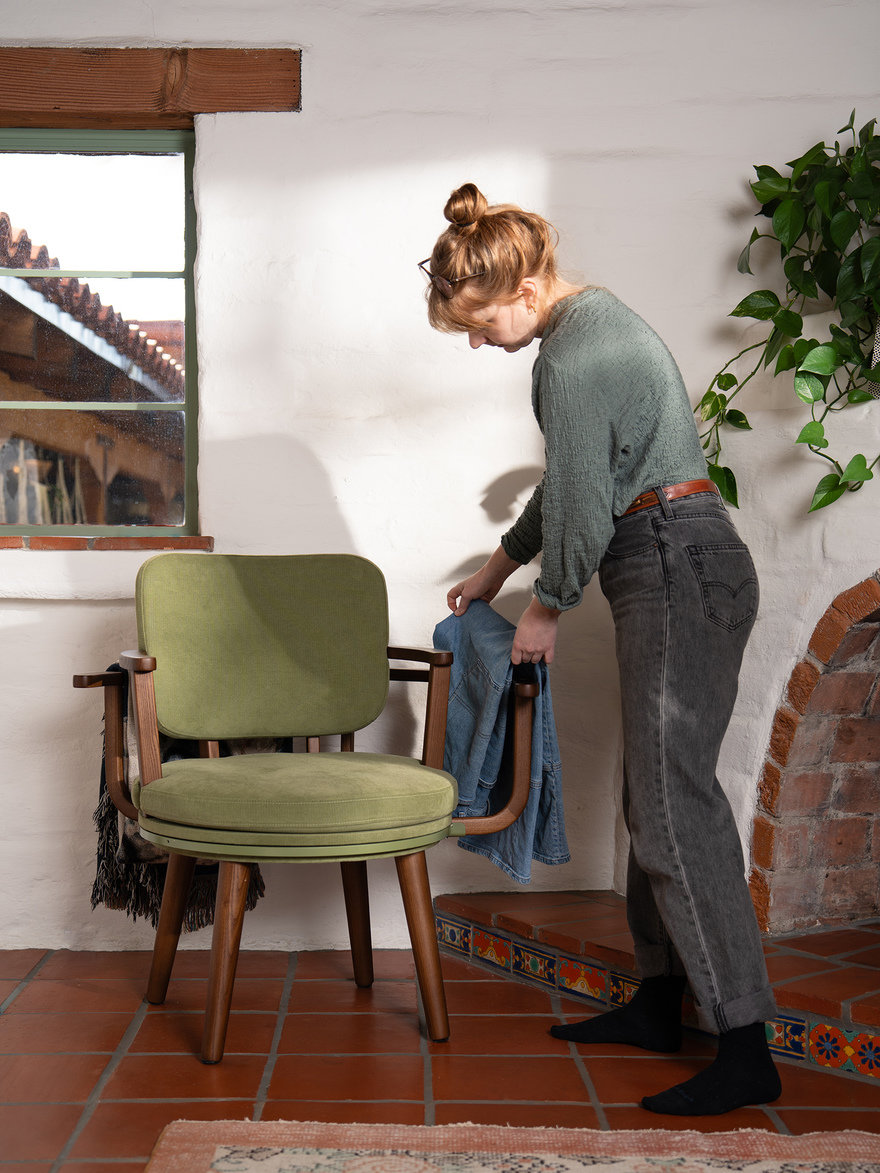
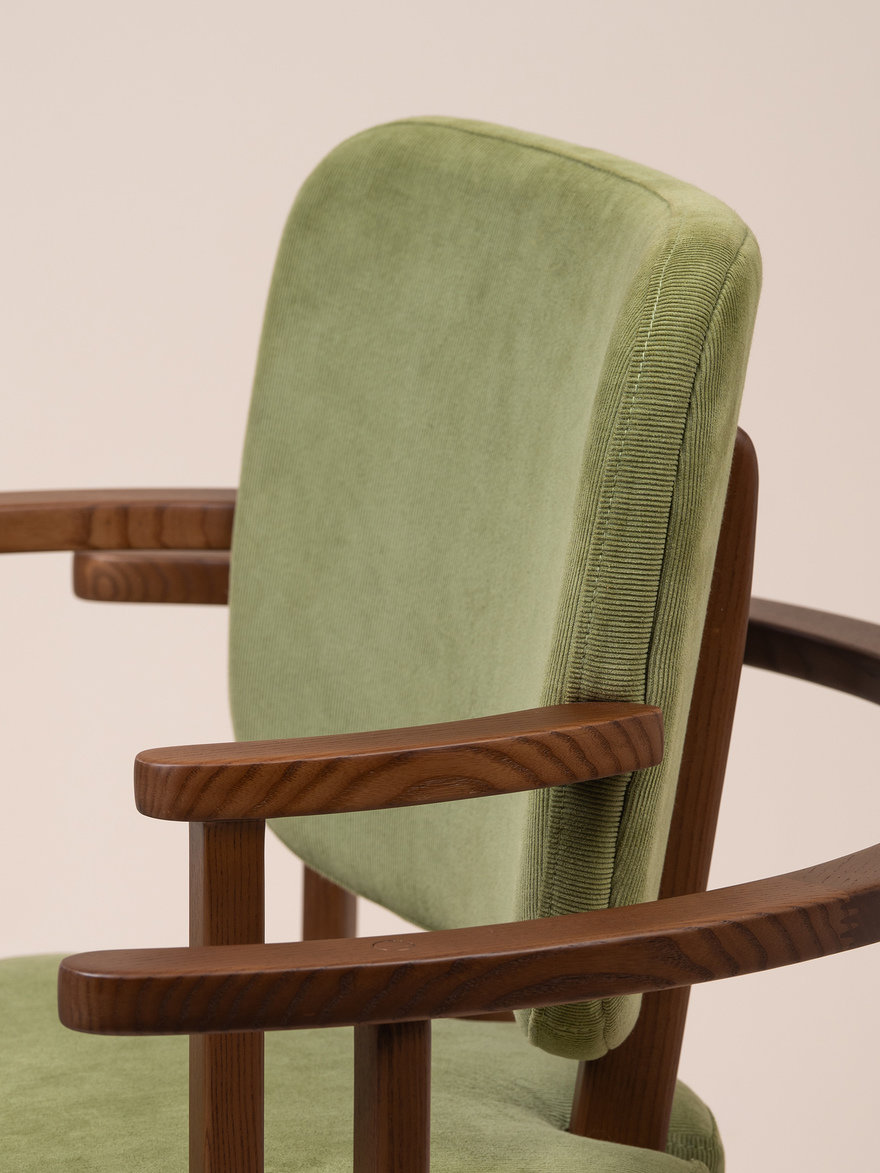
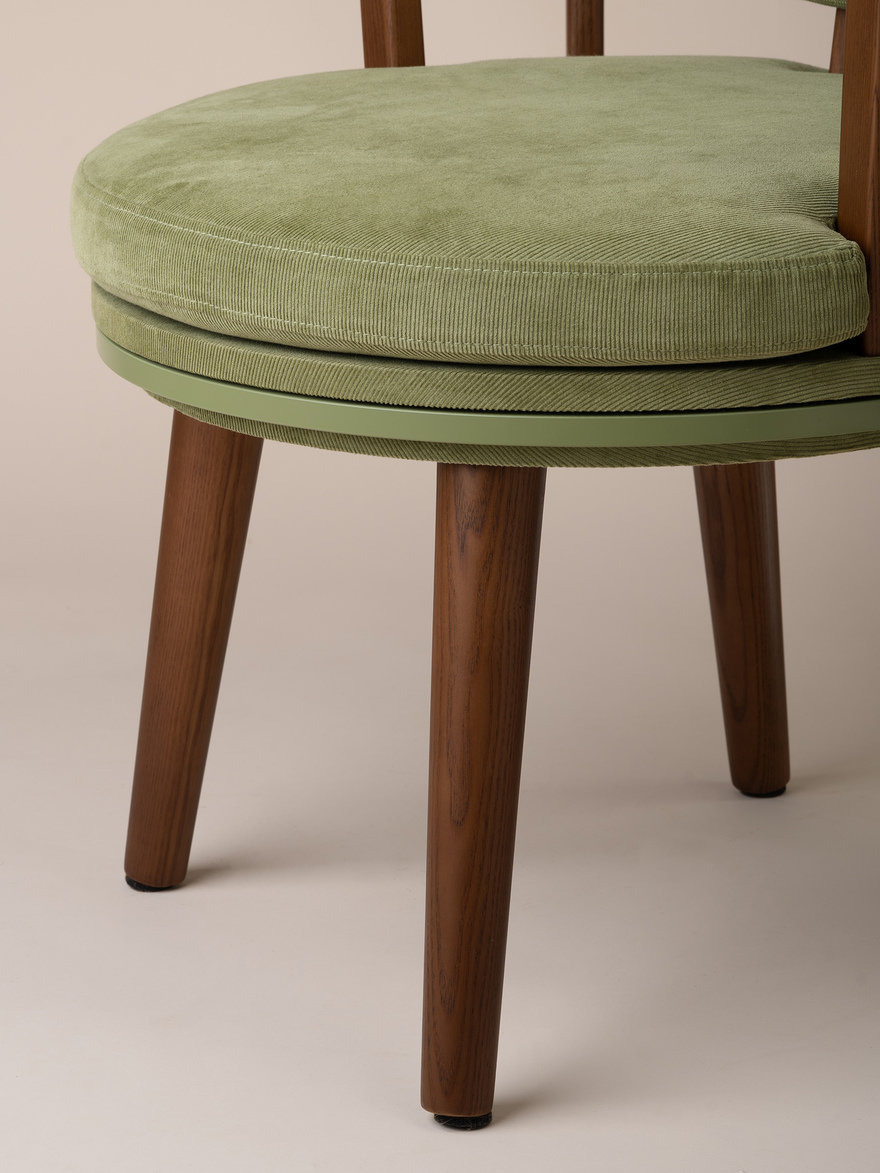
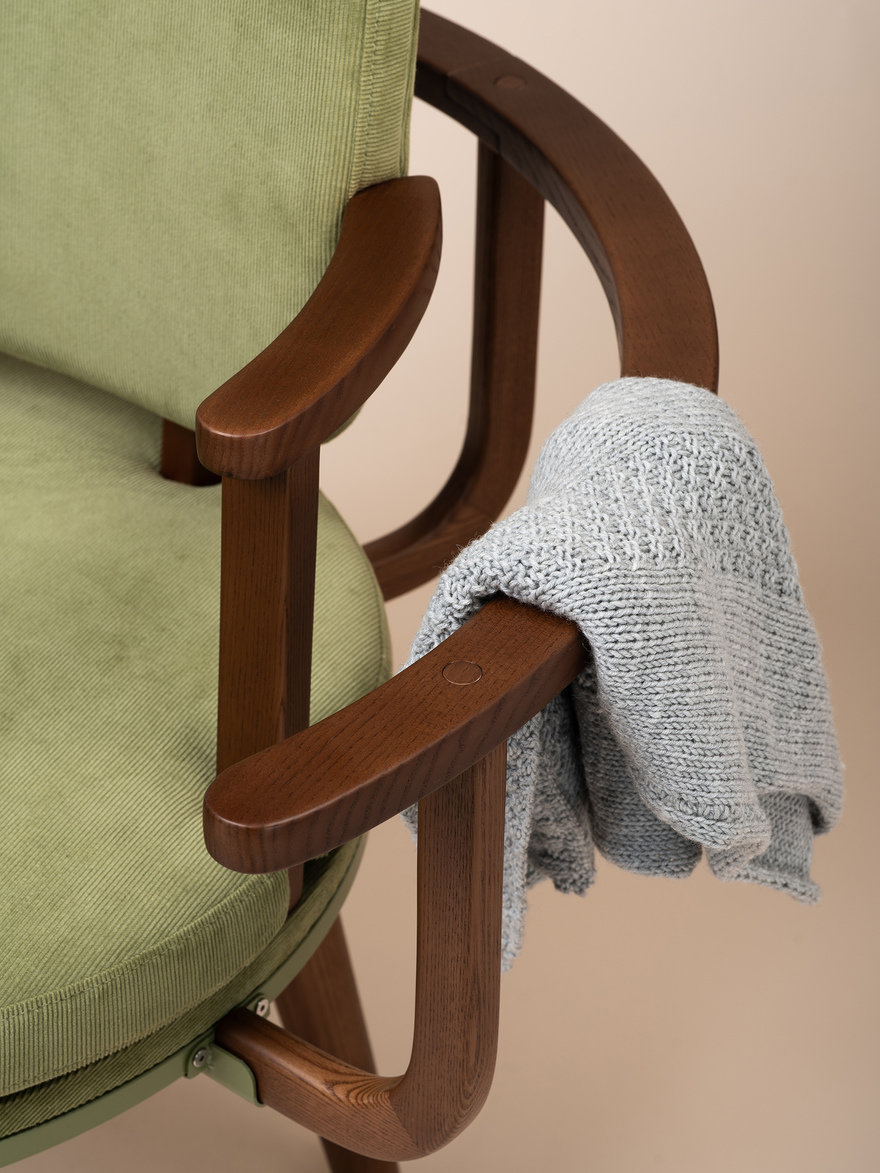
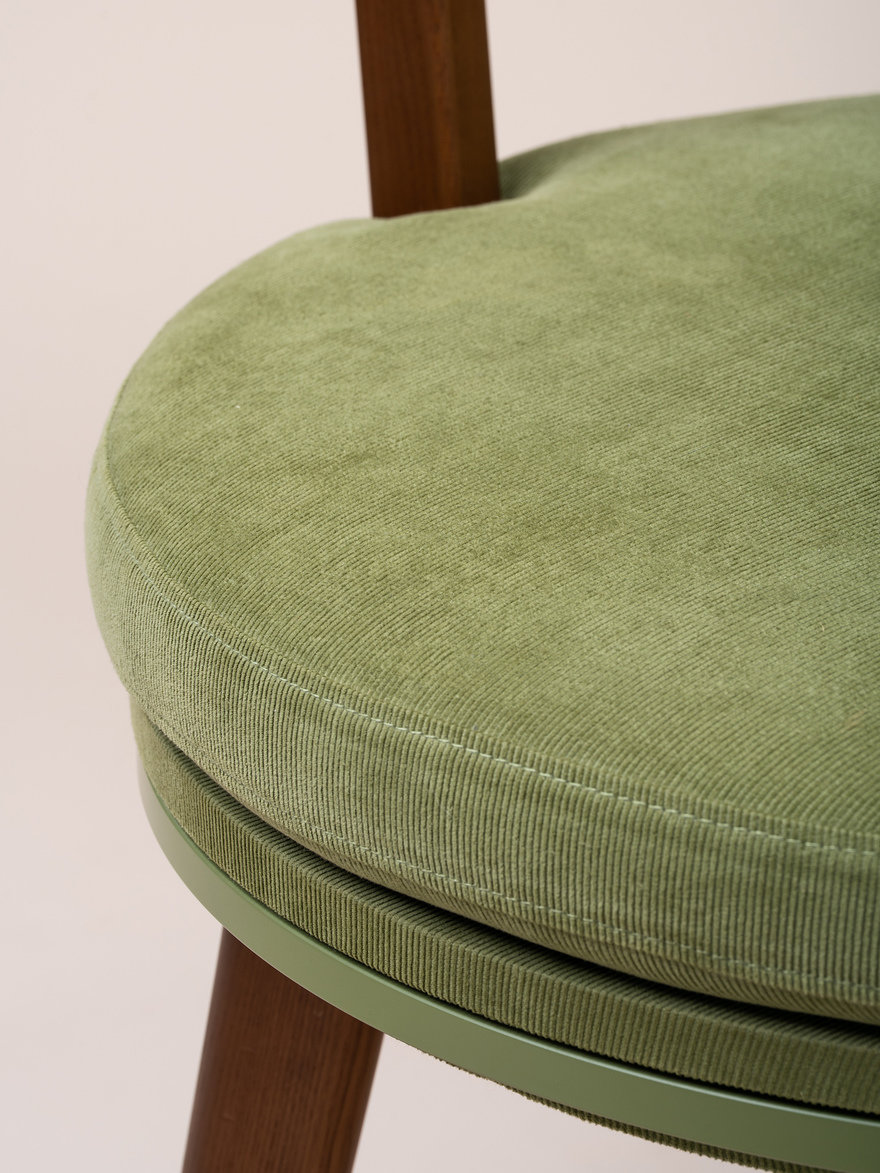
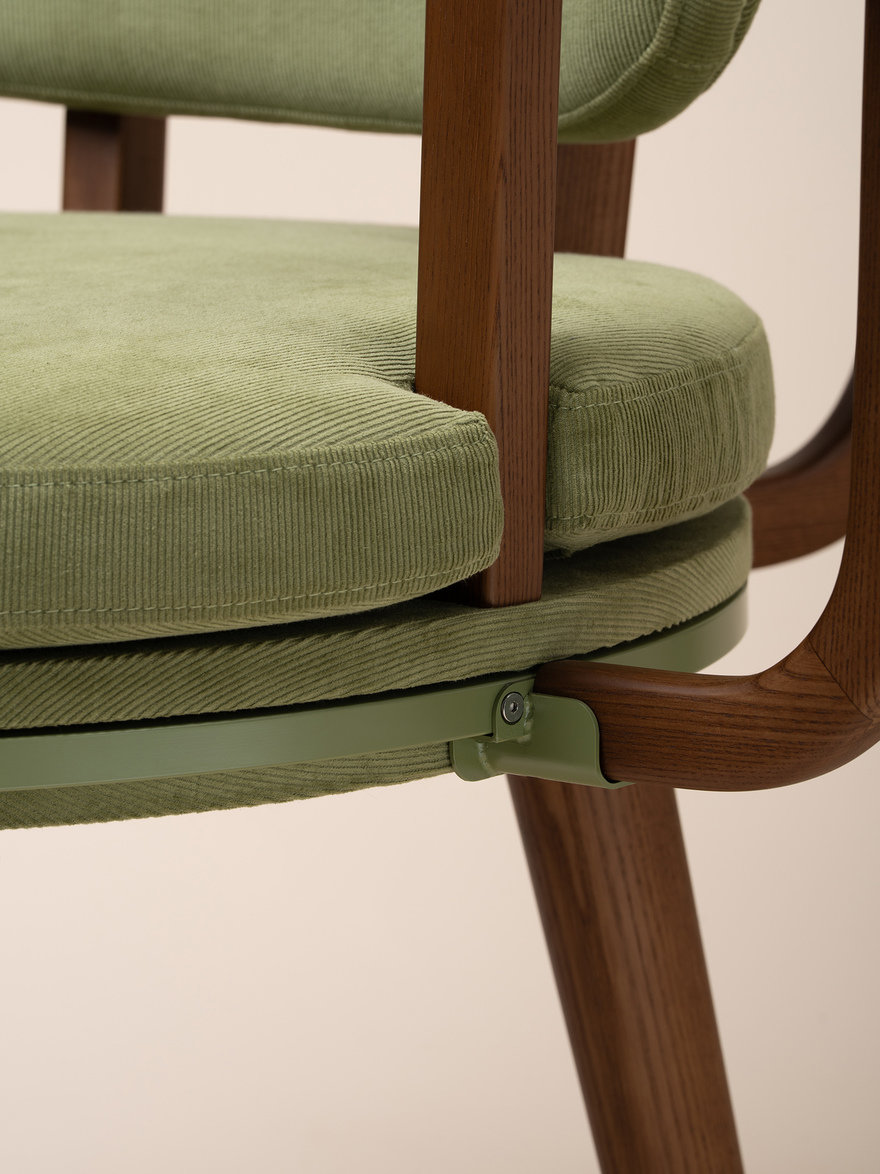
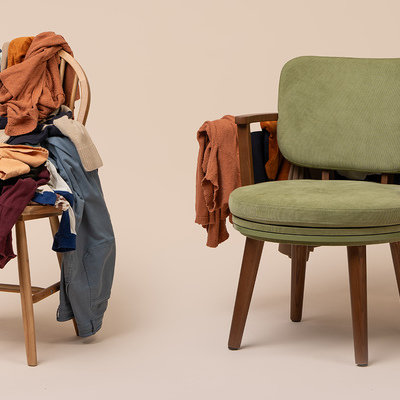
Giertz recently bet that there was enough demand to start a Kickstarter for it, and boy, was she right: Her Laundry Chair campaign has racked up $750,000 in the few days since it launched.
To refresh your memory, Giertz observed the need for a place to toss clothes that are not dirty enough to launder, but not clean enough to go back in the drawer. Reasoning that most people simply use a chair for the task, she resolved to design one better suited to the purpose.
Thankfully, Giertz has not cheaped out on the materials, even though the piece is headed for production. The frame is solid hardwood. The upholstery isn't synthetic, but 100% cotton corduroy. The swivel mechanism relies on ball bearings.
There are still a few $899 Early Bird pledge slots available. The chair is expected to ship (flatpack, of course) in November.
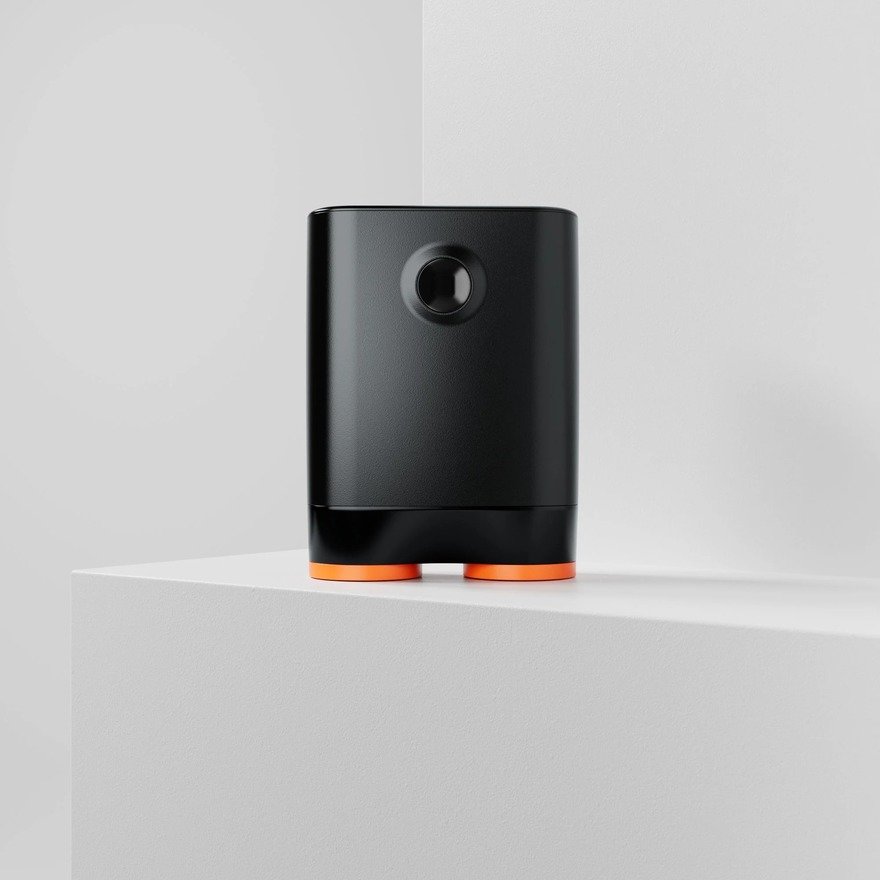
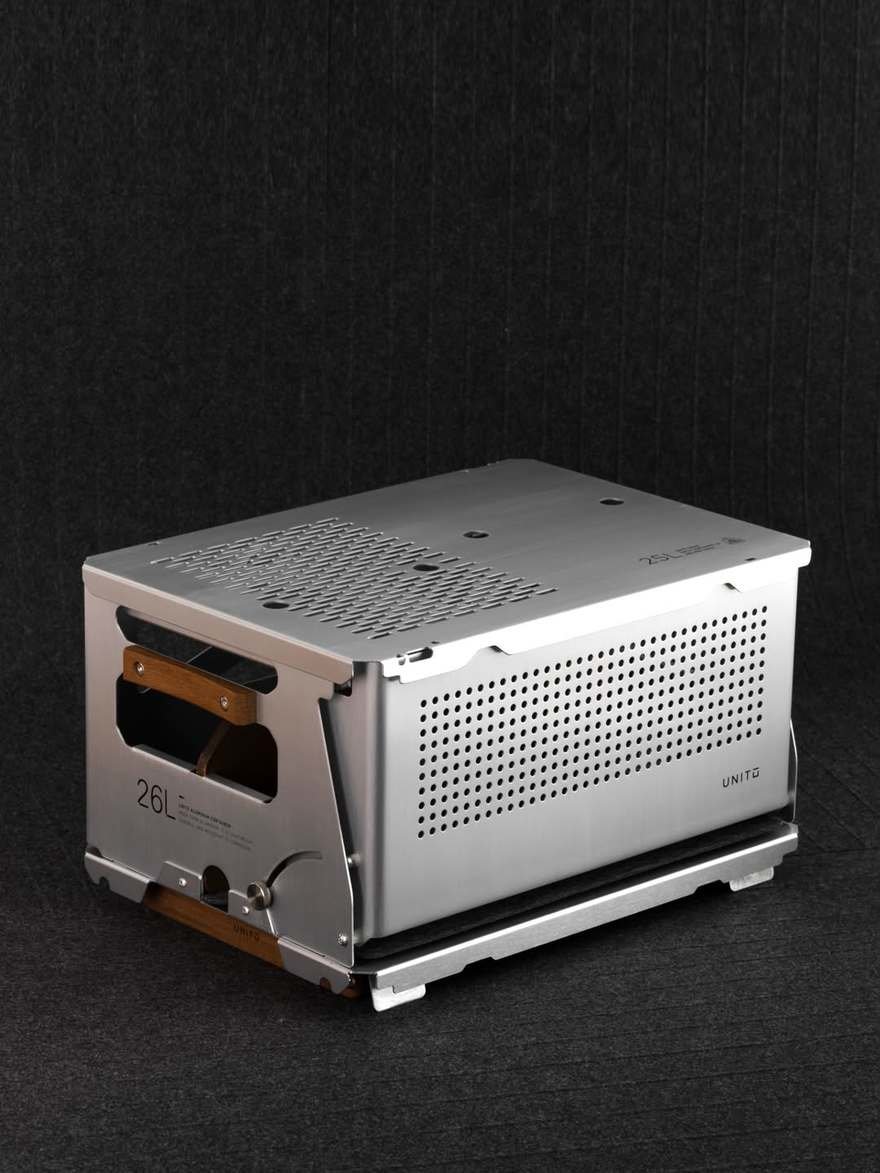
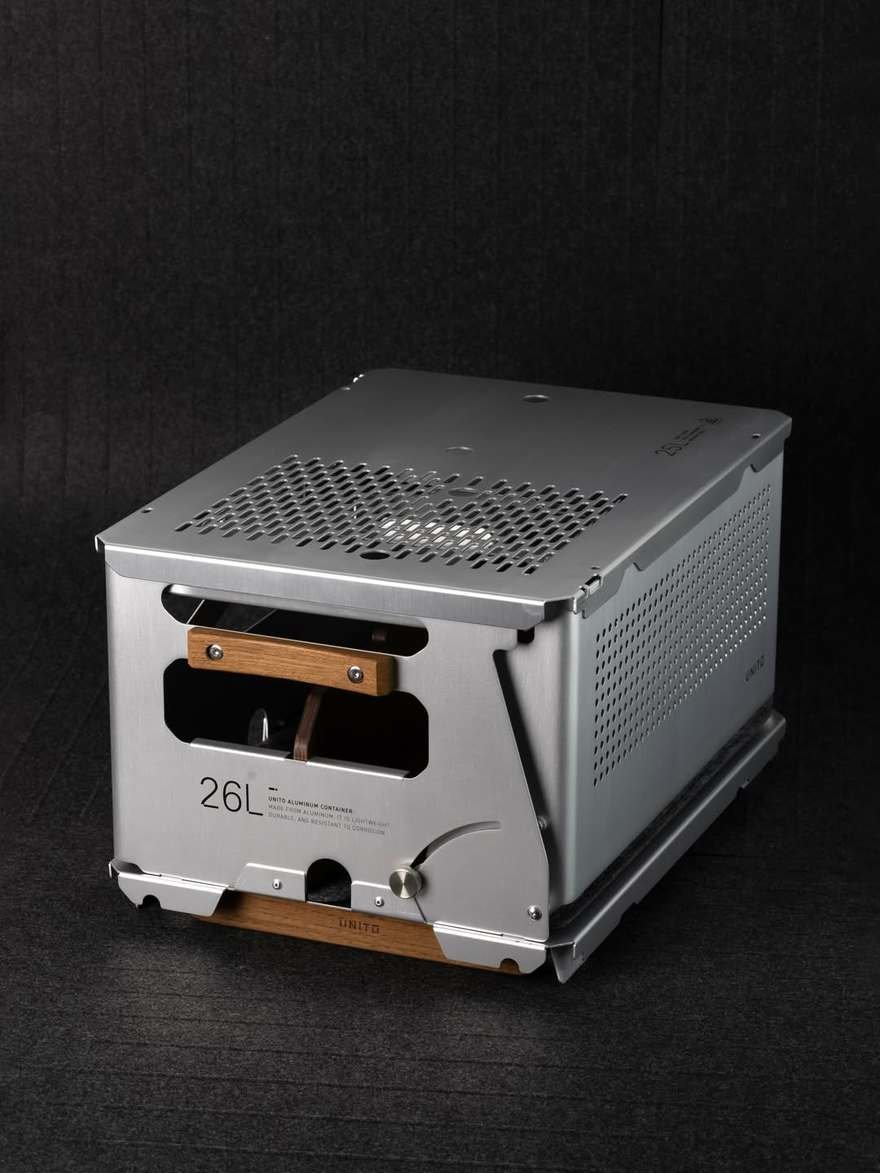
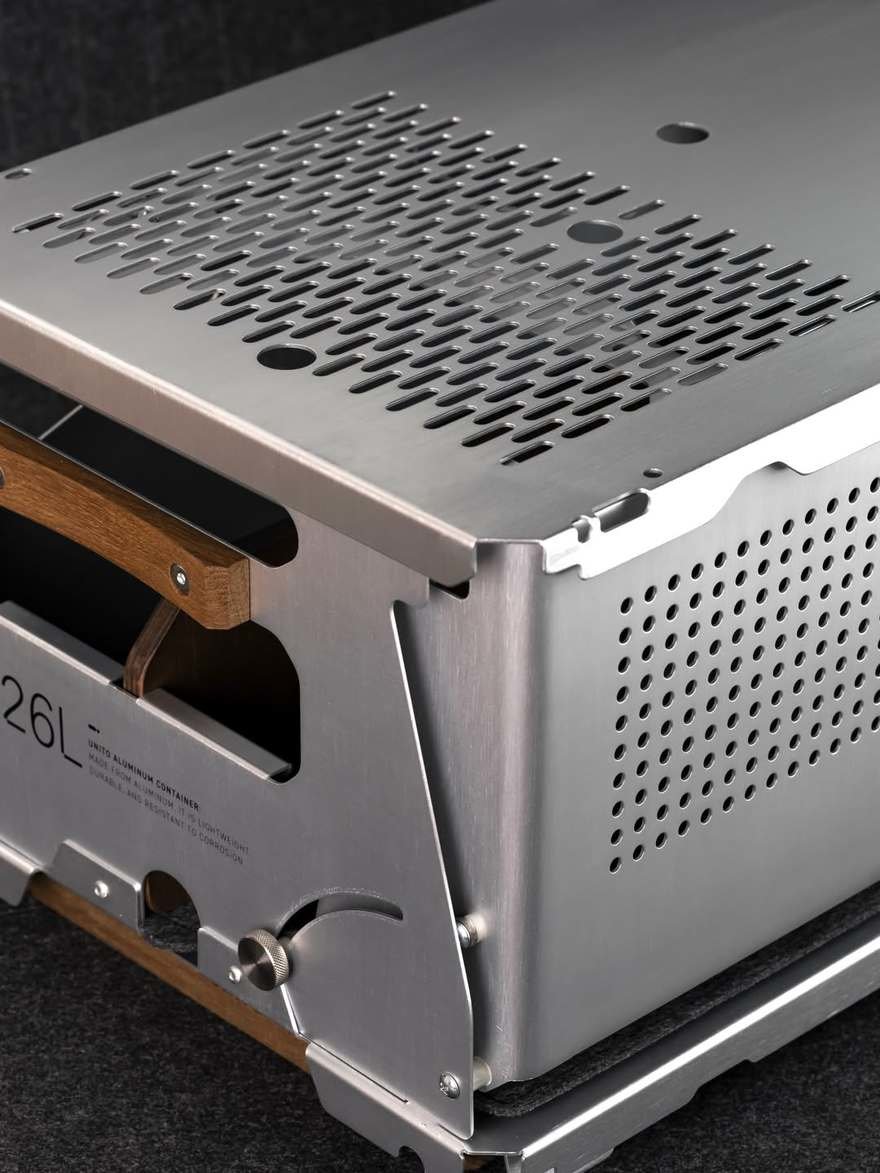
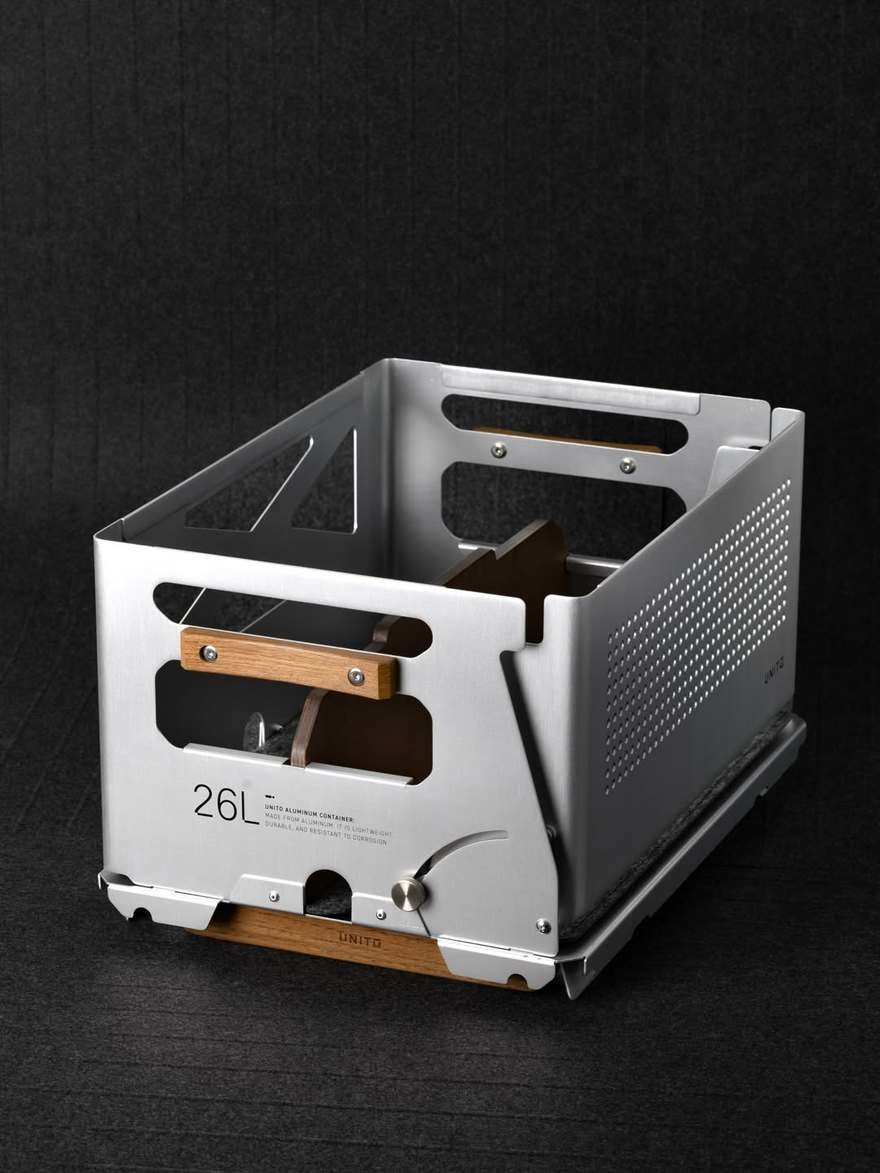
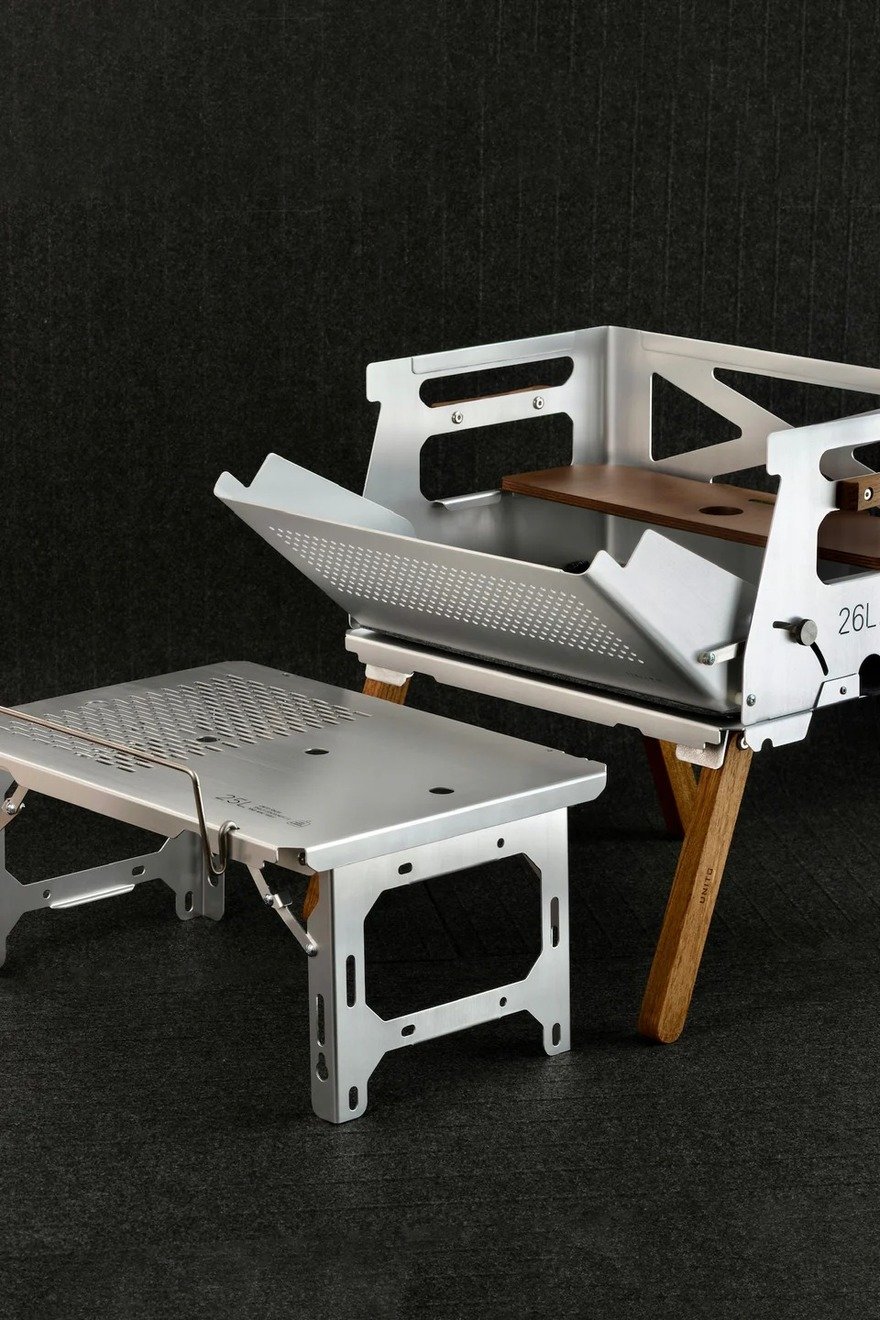
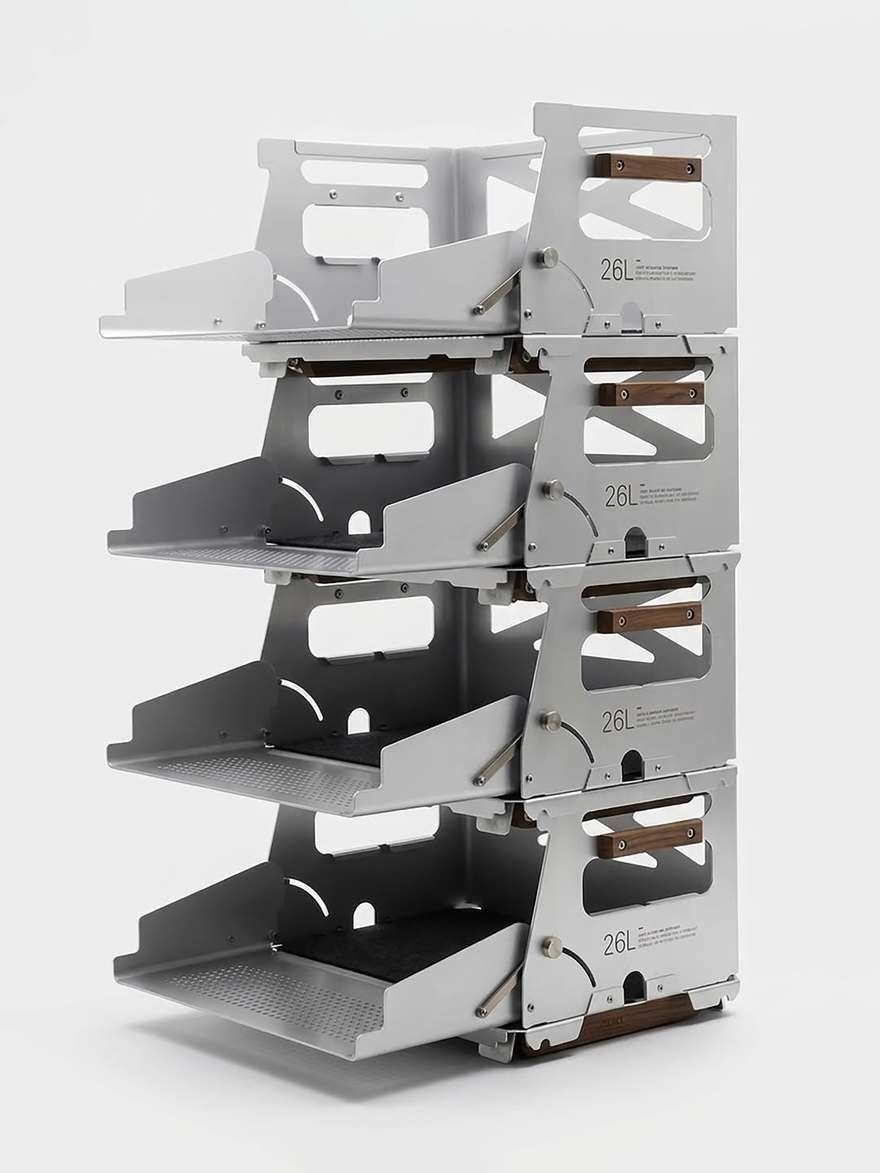
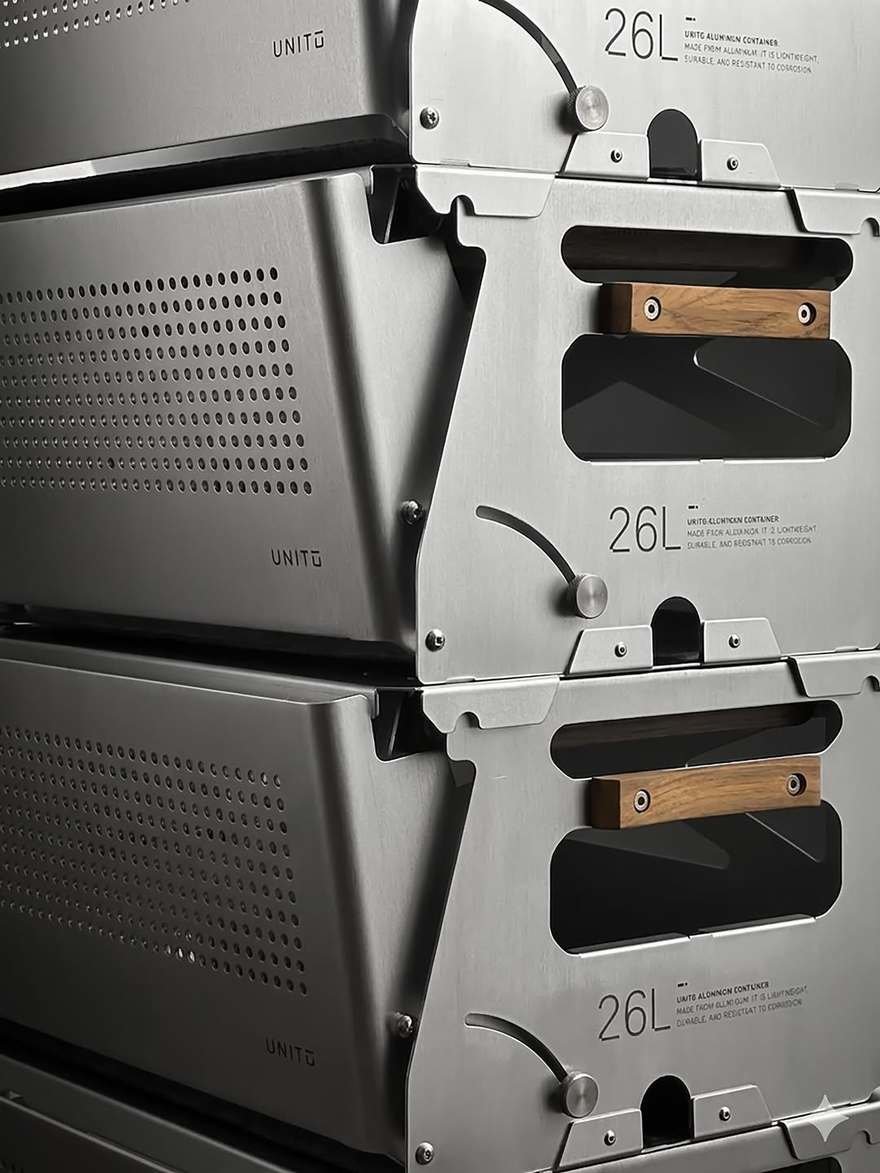
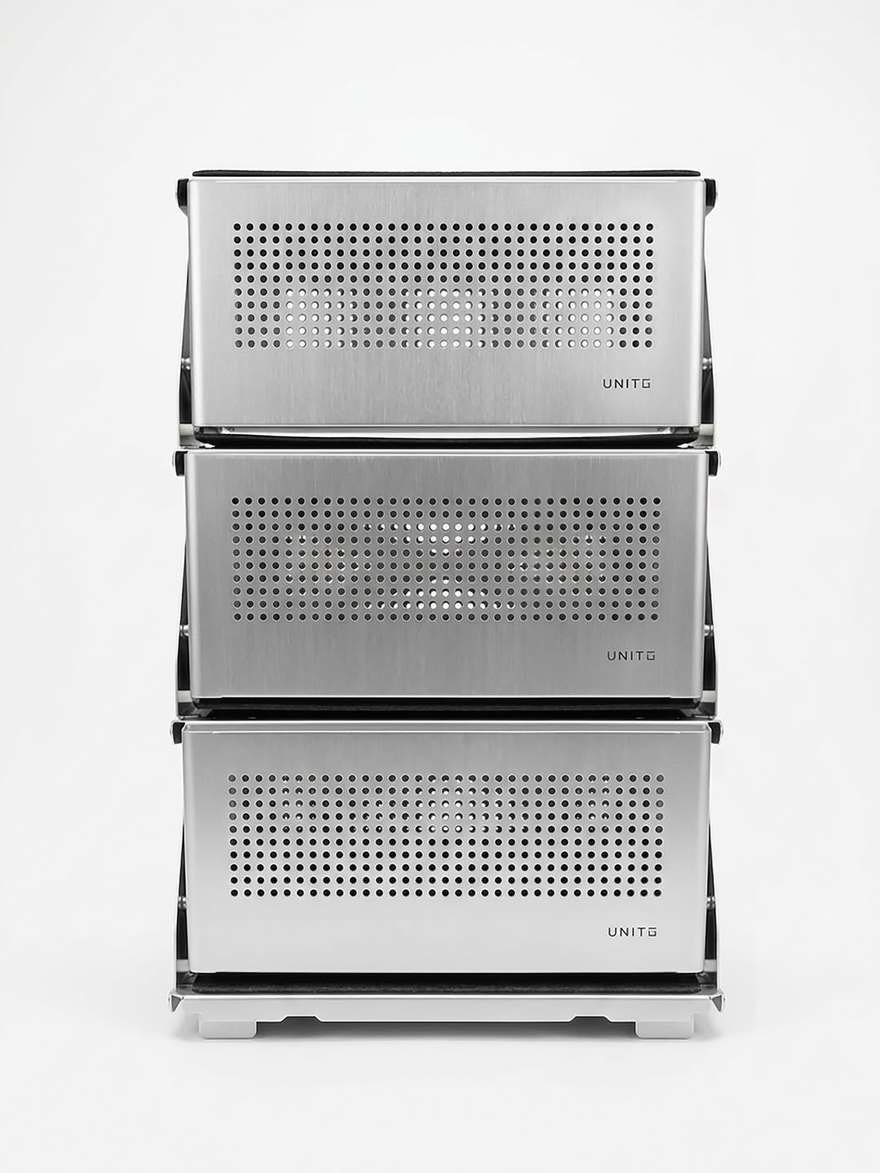
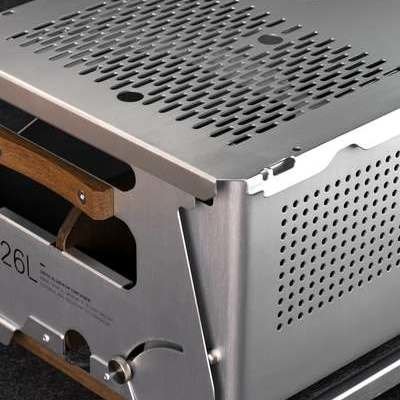
This odd object sits somewhere around the intersection of EDC and glamping. The Unito Container 26L is an anodized aluminum storage box—sorry, "precision-crafted modular system"—by outdoor products brand Unito. It offers, as the name suggests, 26 liters of storage space.
The handles and flip-out legs are Teak (which raises eyebrows until you see that Unito's based in Thailand, where the endangered wood is grown in managed plantation forests). The lid can be popped off and used as a little table.
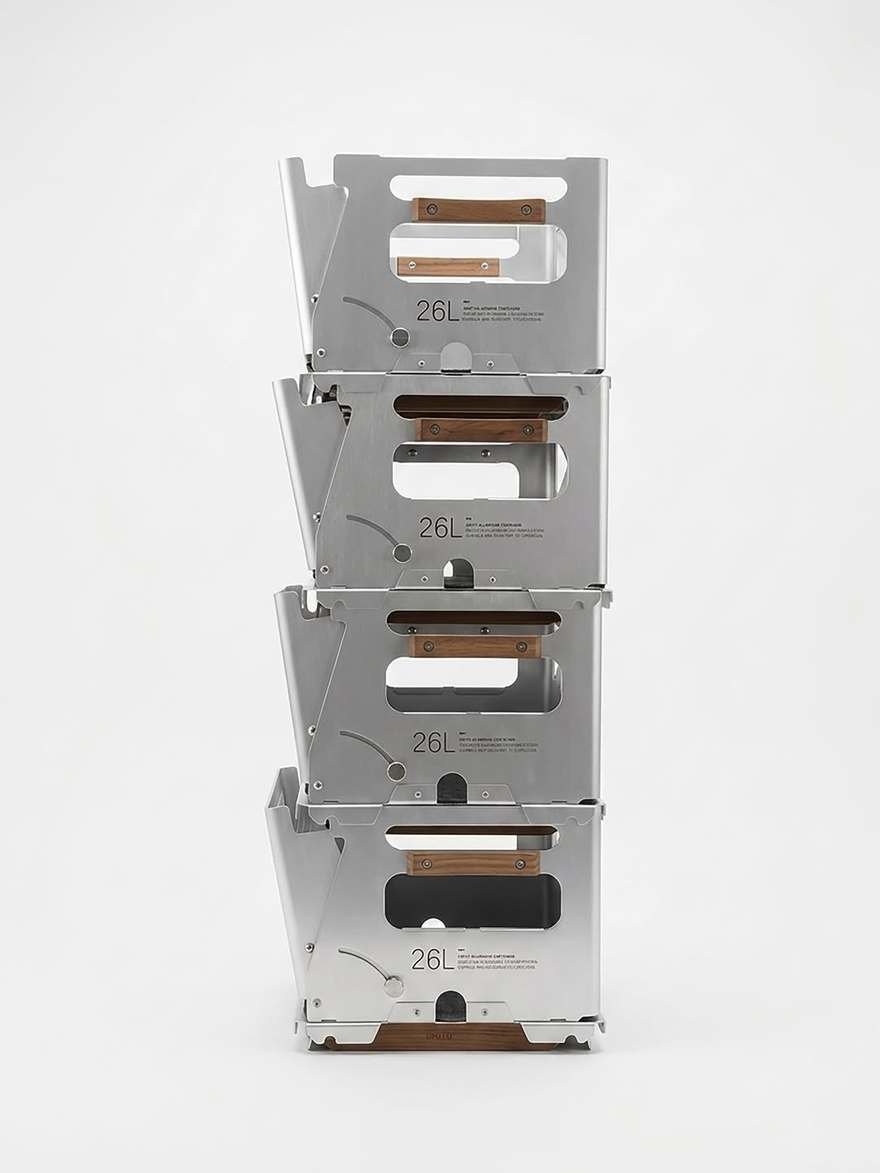
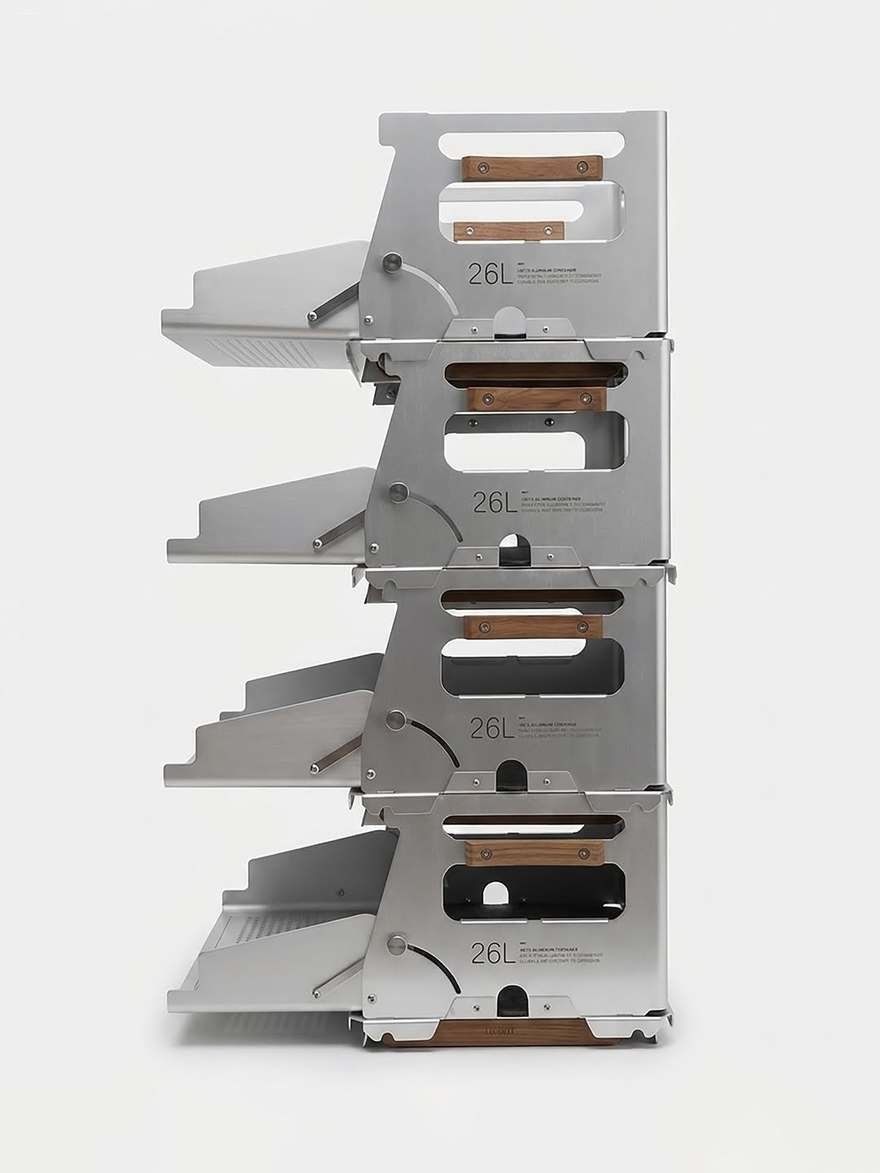
And the units can be stacked, in case you want to…okay, I'll stop pretending I understand either the target market or the use cases.
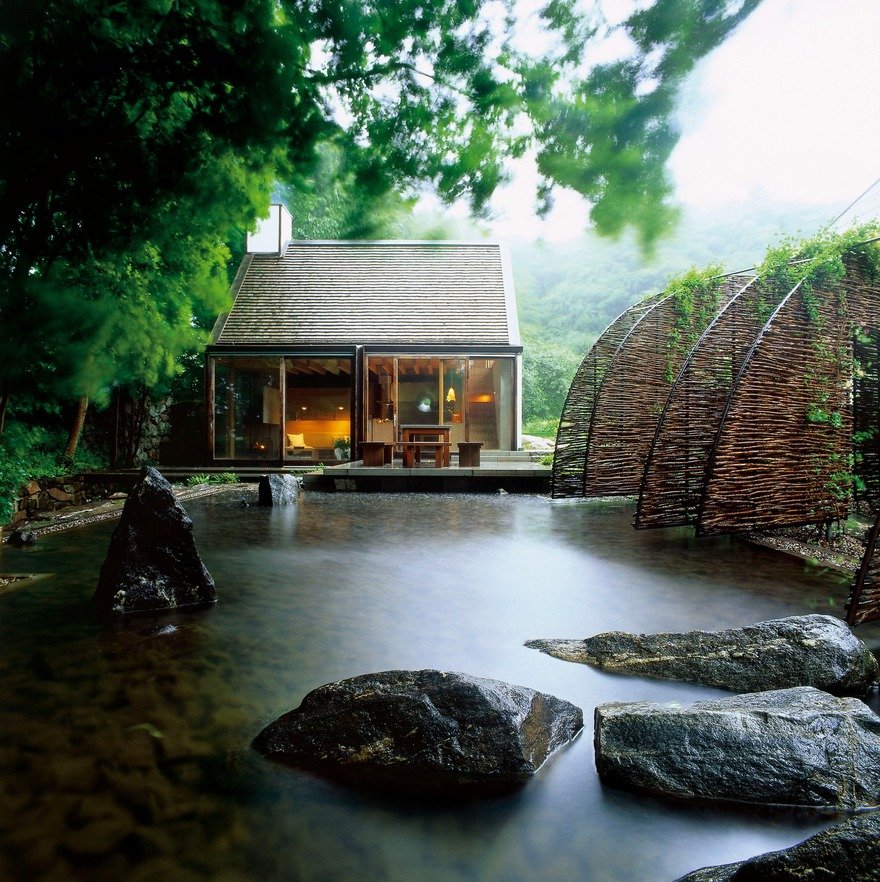
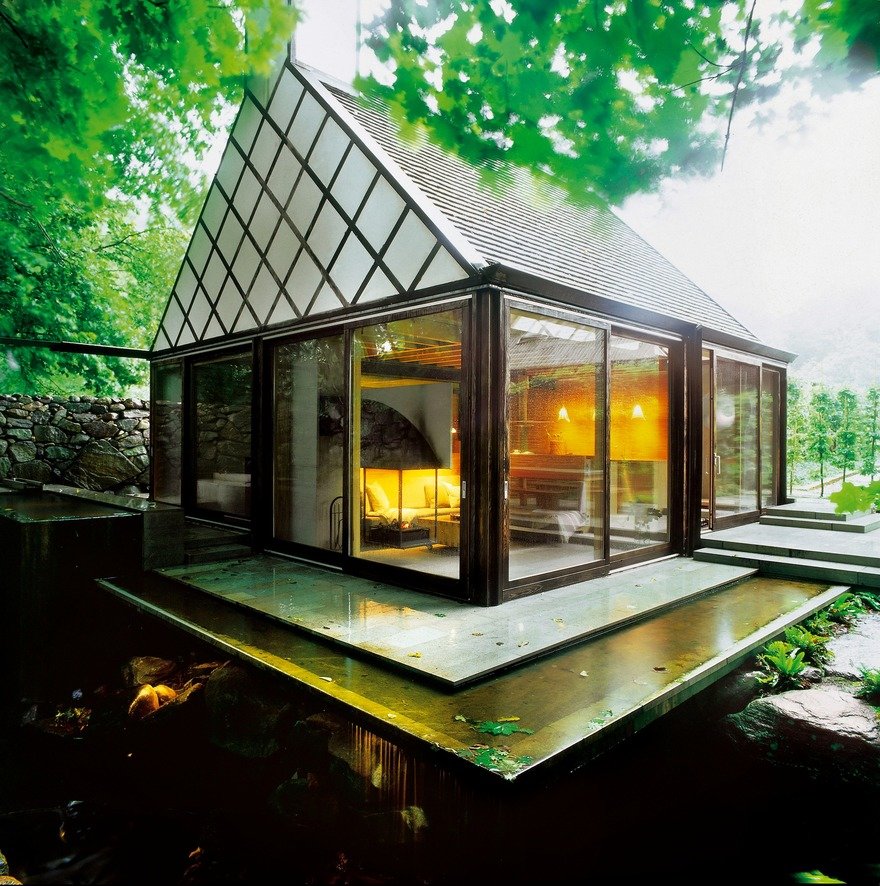
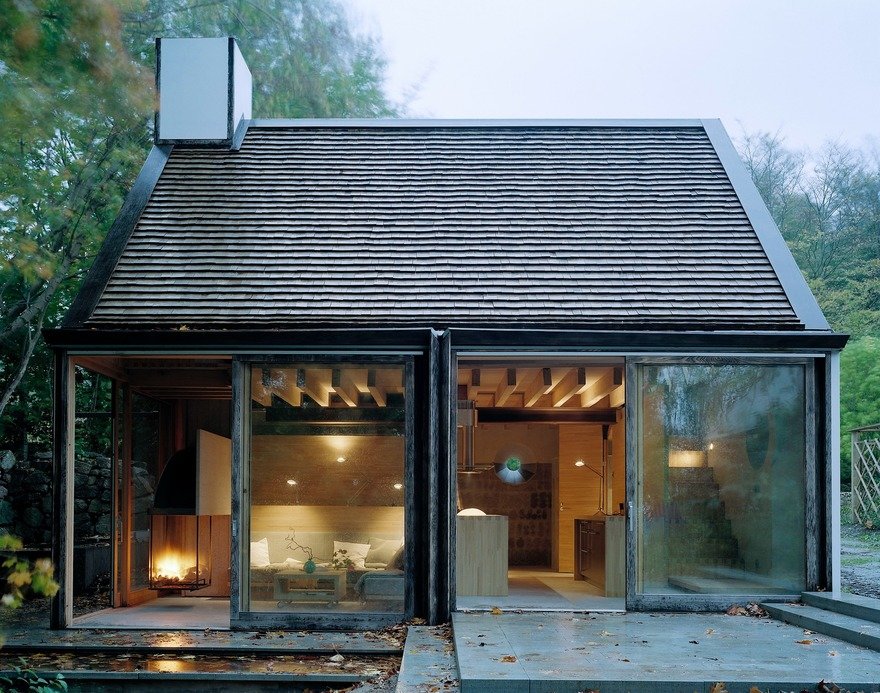
Swedish architect Gert Wingårdh designed this Kvarnhuset ("Mill House") in 2000, as a small vacation getaway.
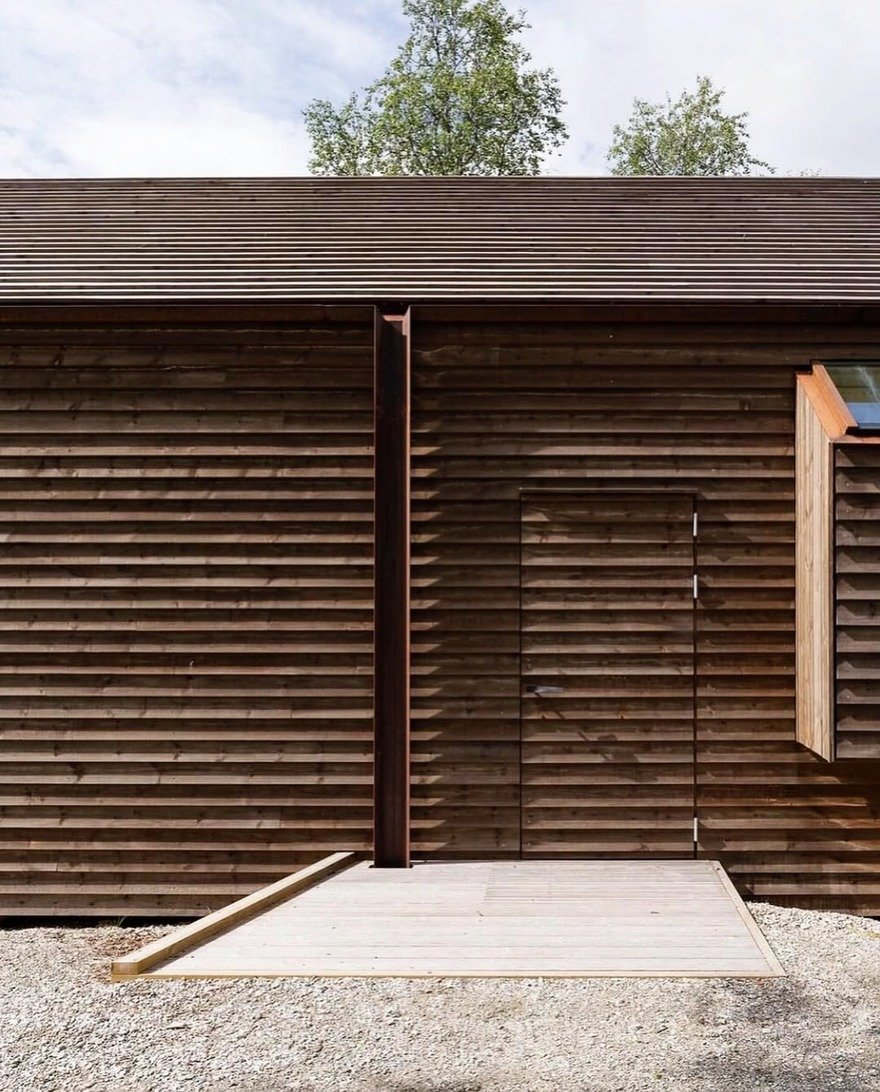
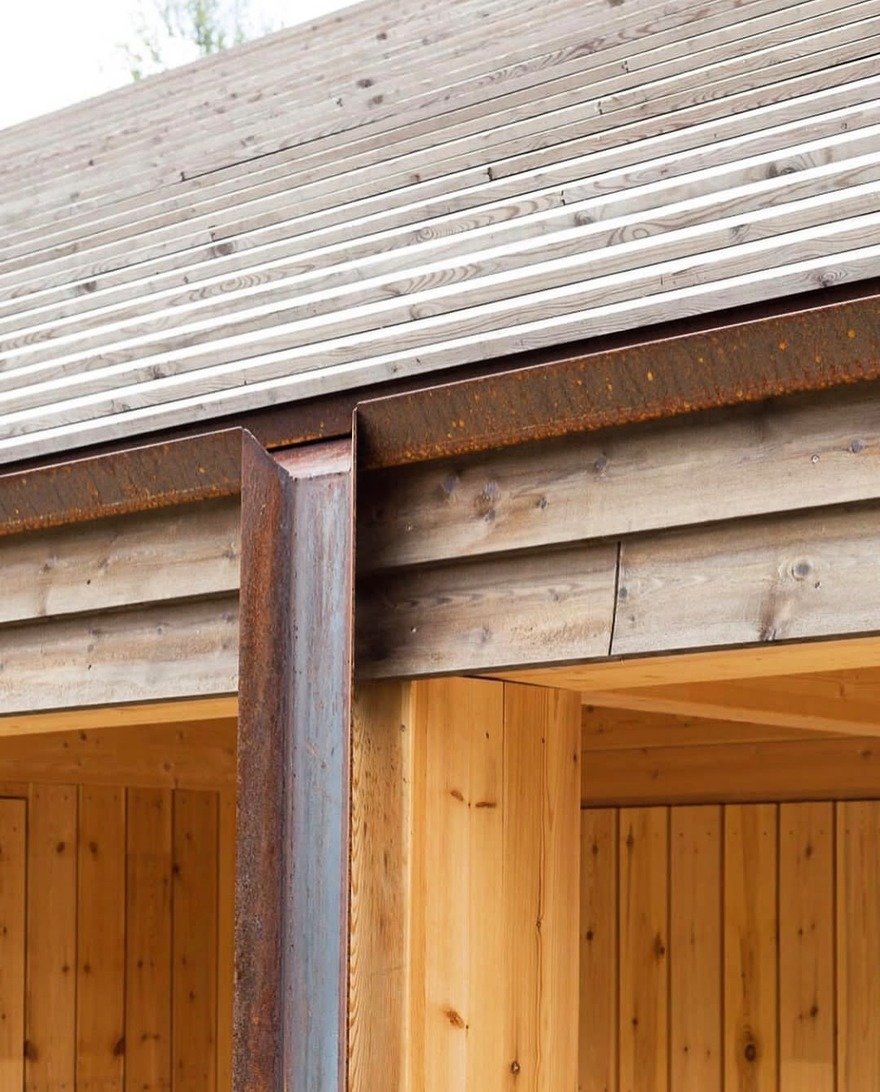
There's a highly unusual detail you can just about make out:
The downspout is open on one side. It's simply a gutter that's been placed vertically.
Wingårdh never explained this decision (at least that I can find). Architecture websites covering the house did not remark on the downspout design either.
A group who did notice the gutter was Norwegian architecture firm LJB. They cribbed the feature for their design of the Atnbrua Museum in 2013, which made sense as the museum is about historical uses for water power; the open downspout thus draws attention to water.
"In our office we have a thing for gutters," the firm writes, and cites Wingårdh's Mill House as a direct inspiration.
I personally think the feature looks cool as heck, but am curious about the practical considerations. Downspouts are typically enclosed to contain splashing during downpours; has this open-sided design had any adverse effect on the durability of the siding? I'll likely never know the answer: Architecture firms, and the publications that cover their work, are typically unconcerned with all-important pragmatic details like water management.
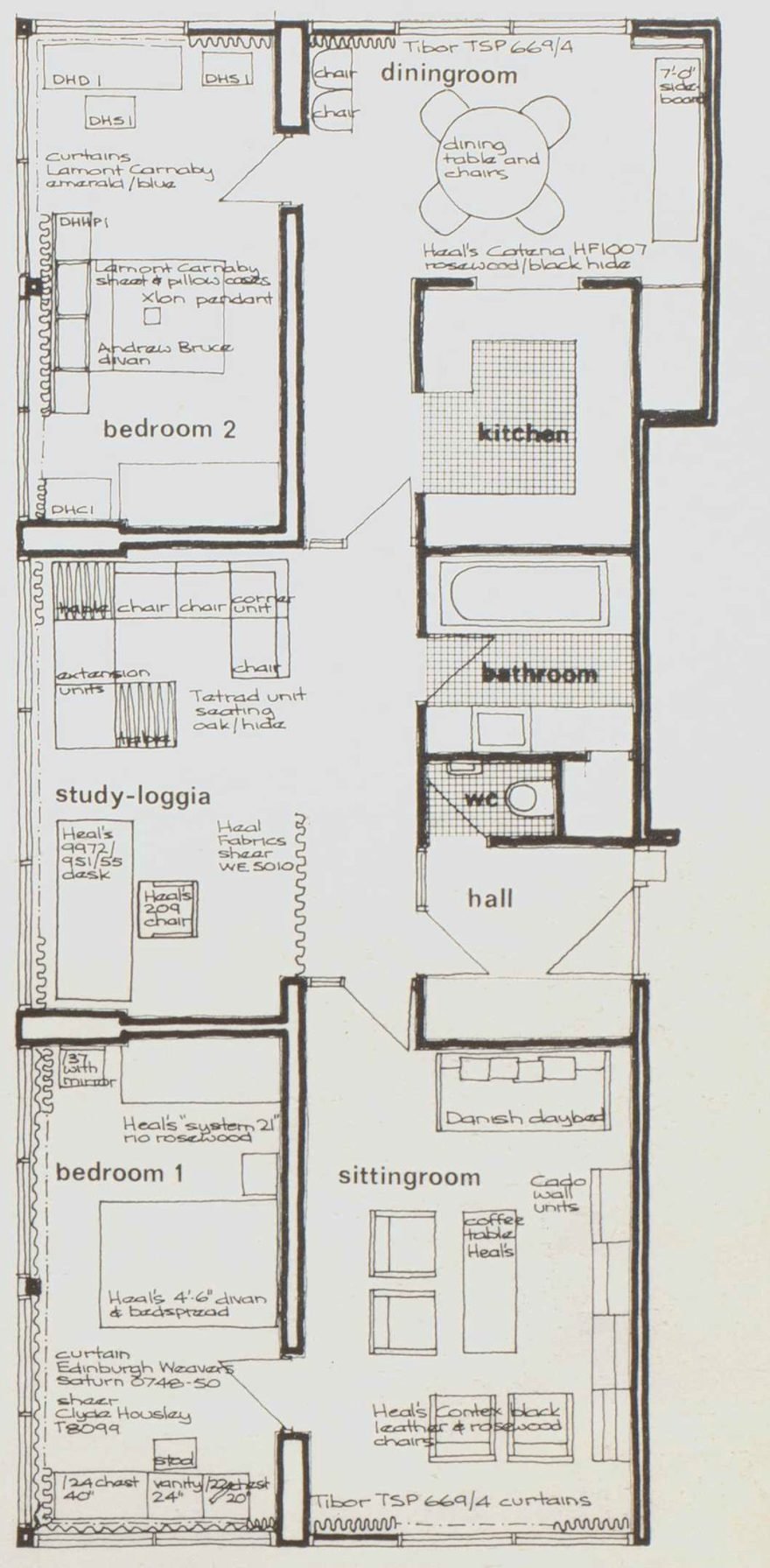
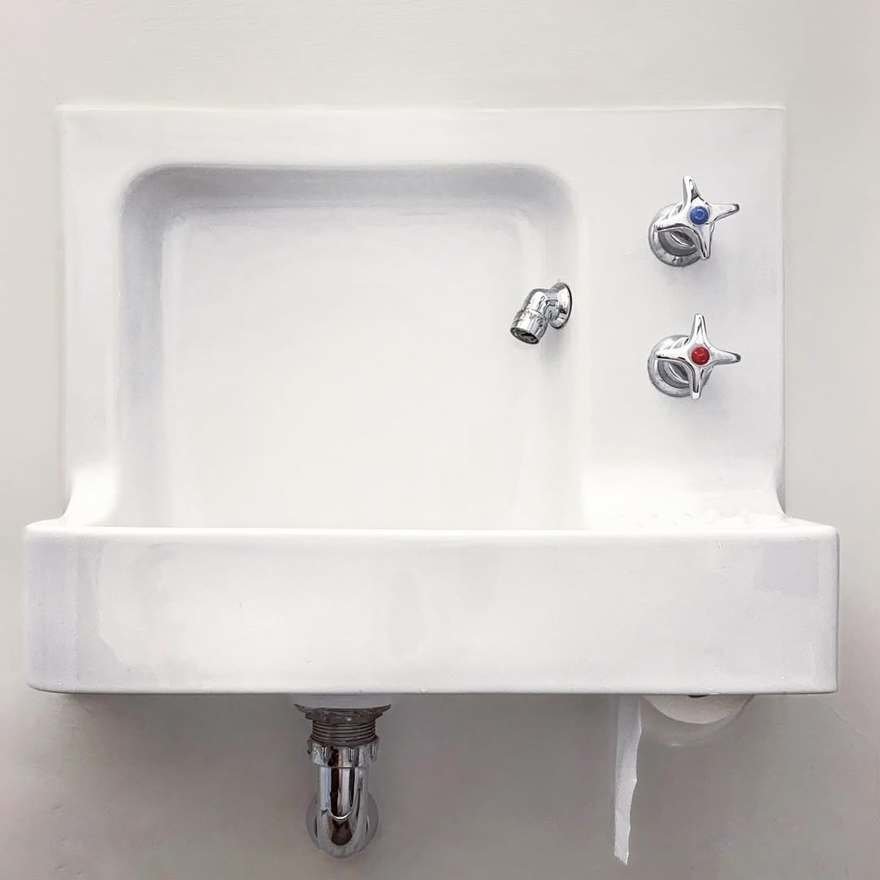
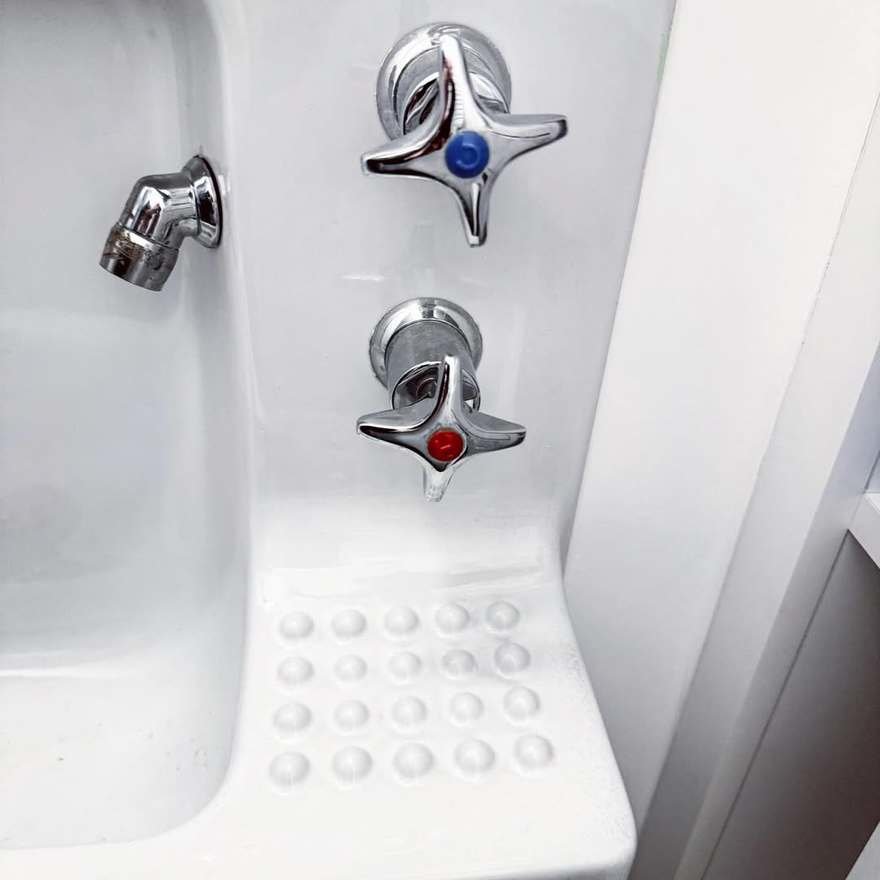
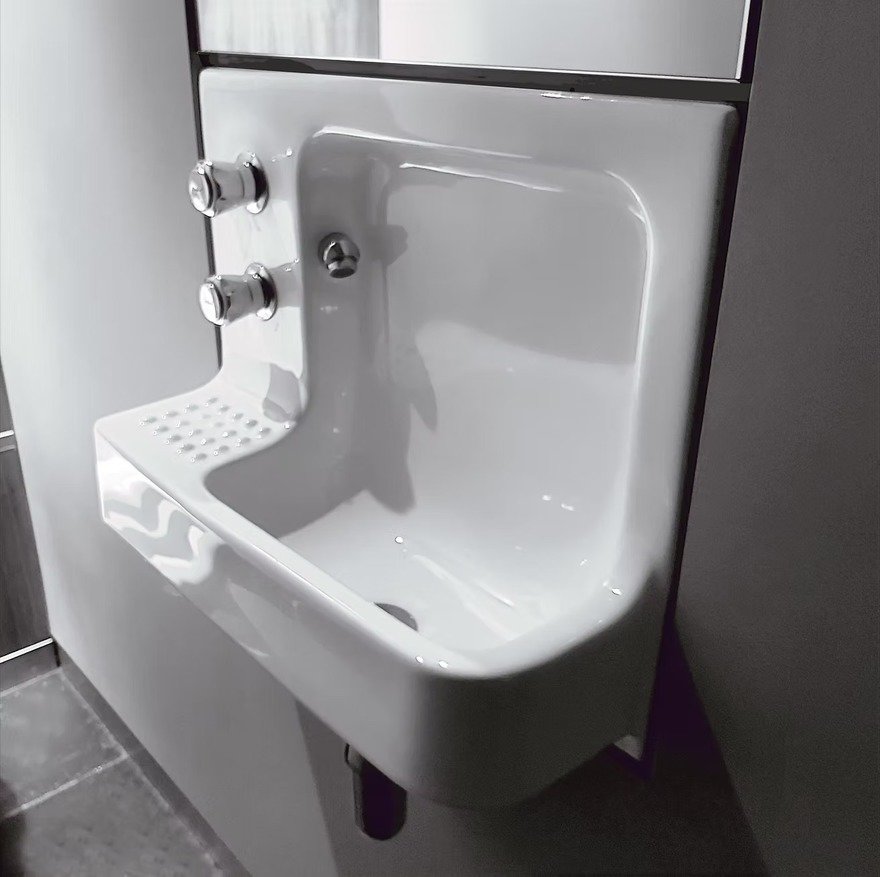
The design of the Barbican Estates, London's residential Brutalist masterpiece, was finalized in 1959. Many of the apartments had bathrooms where the toilet was in its own little room, separated from the sink and bathtub. (This is an arrangement you often see in Japan.)
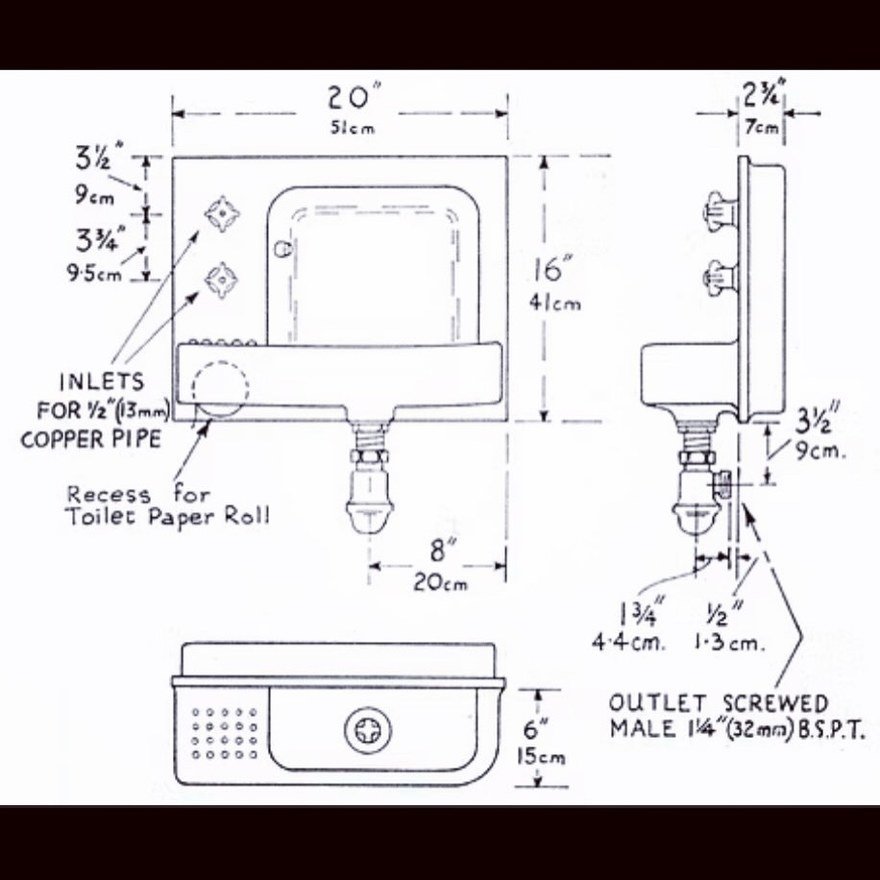
But in the 1960s, as construction began, the housing codes changed. Any room that contained a toilet now had to have its own sink. As-designed, there was simply no room to add a conventional sink to the separate toilet rooms. It fell to German architect Michael Hohmann to solve the problem.
Hohmann collaborated with Twyfords, a British sink manufacturer, and their in-house designer Munroe Blair on a radical design that would fit within the space. Because of the sink's unusual shape, it reportedly took six months for the firm to perfect the unusual mold and firing conditions required to create the porcelain sink within the tight tolerances.
Today the Barbican basin, as it's known, has become something of an icon, and an example of outside-of-the-box design thinking. It was also long-lived; it remained in production for over 50 years.
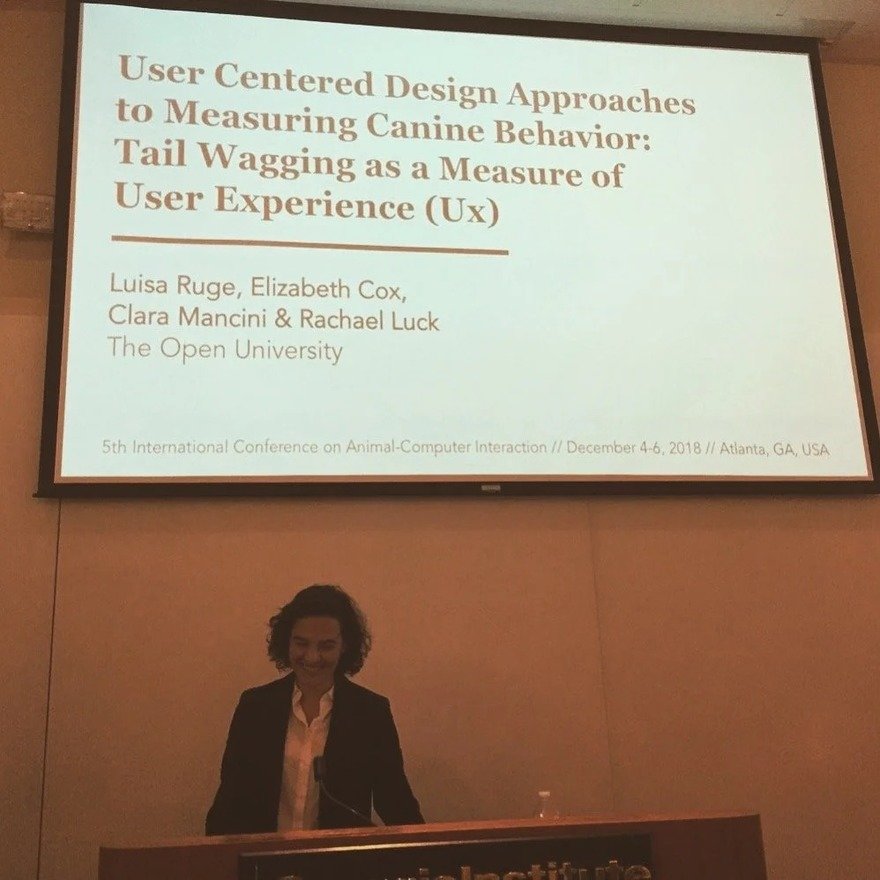
Industrial designer Luisa Ruge has worked for Steelcase and Whirlpool, but ultimately gravitated towards her true passion: Animal-centered design. "My journey into animal-centered design began not with theory, but with lived experience at Bergin College of Canine Studies," she writes. "I chose to start with service dogs because of the deep, interdependent bond they share with their human partners—trusting your life to an "animal" is one of the most profound relationships we can witness.
"I wanted to understand how animals perceive, learn, and respond. What I discovered was transformative: everything we feel travels down the leash. Dogs don't respond to what we say, but to what we embody—our tension, presence, and intention. This work taught me to observe without judgment, to become more consistent, and to take full responsibility for the signals I give off. It was the beginning of designing beyond language."
Though she already had two degrees in ID, as well as a Masters in Canine Science from Bergin, Ruge pursued a fourth: A PhD in Animal-Computer Interaction at the UK's Open University. "With new awareness from the training world, I wanted to take things further—beyond practice, into systems. I began asking: What if animals were not just users, but participants in design?
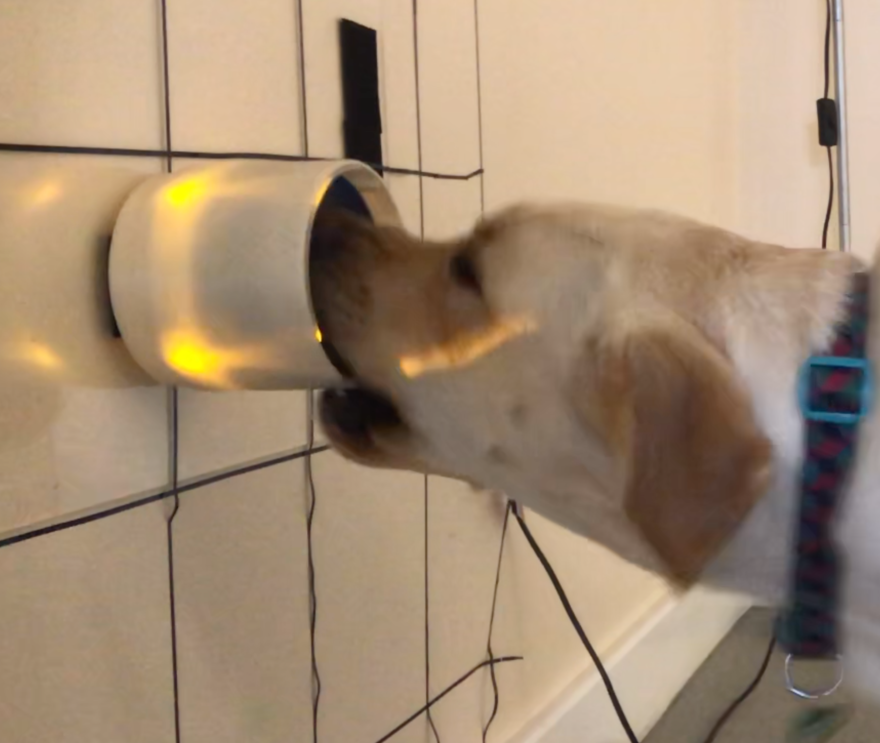
"There, I developed a button interface for service dogs to request human help—bringing together technology, empathy, and behavioral science. That work laid the foundation for animal-centered design as a methodology: one that challenges human dominance in design and opens space for true interspecies collaboration."
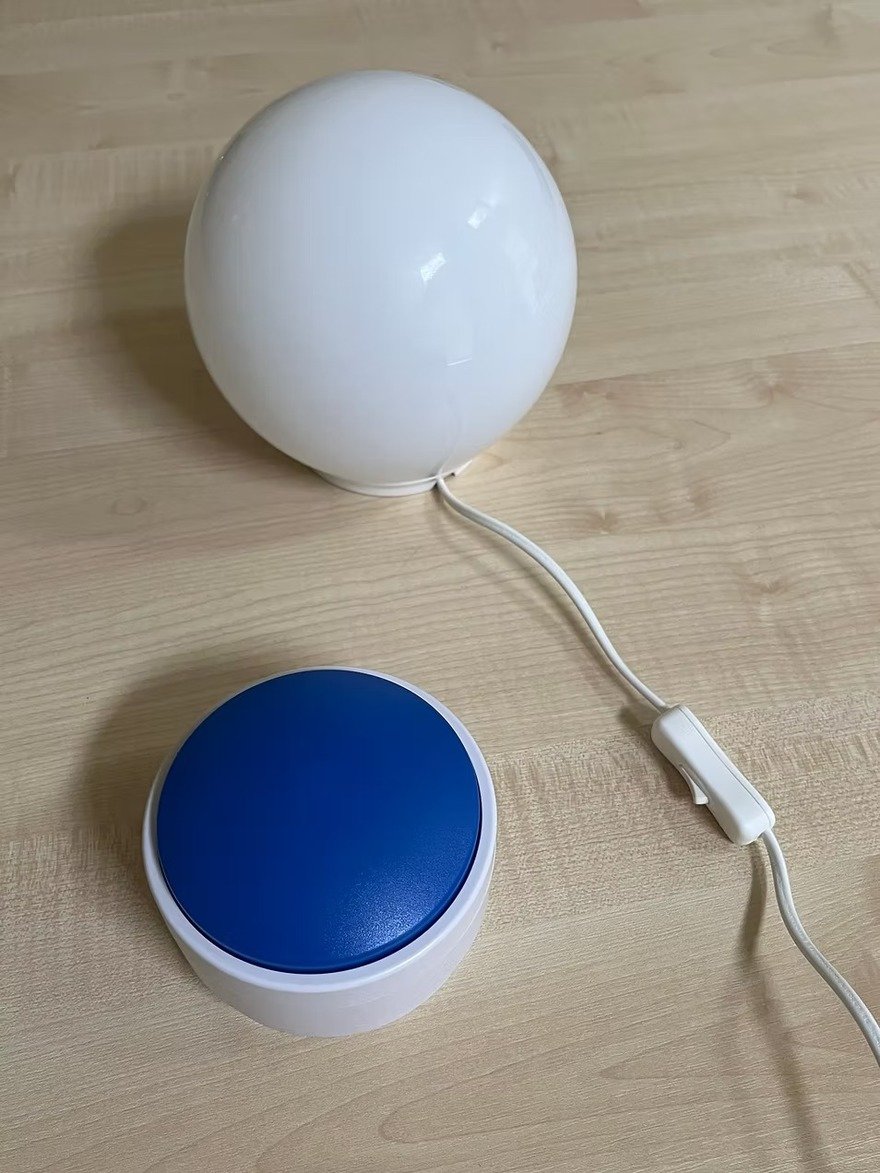
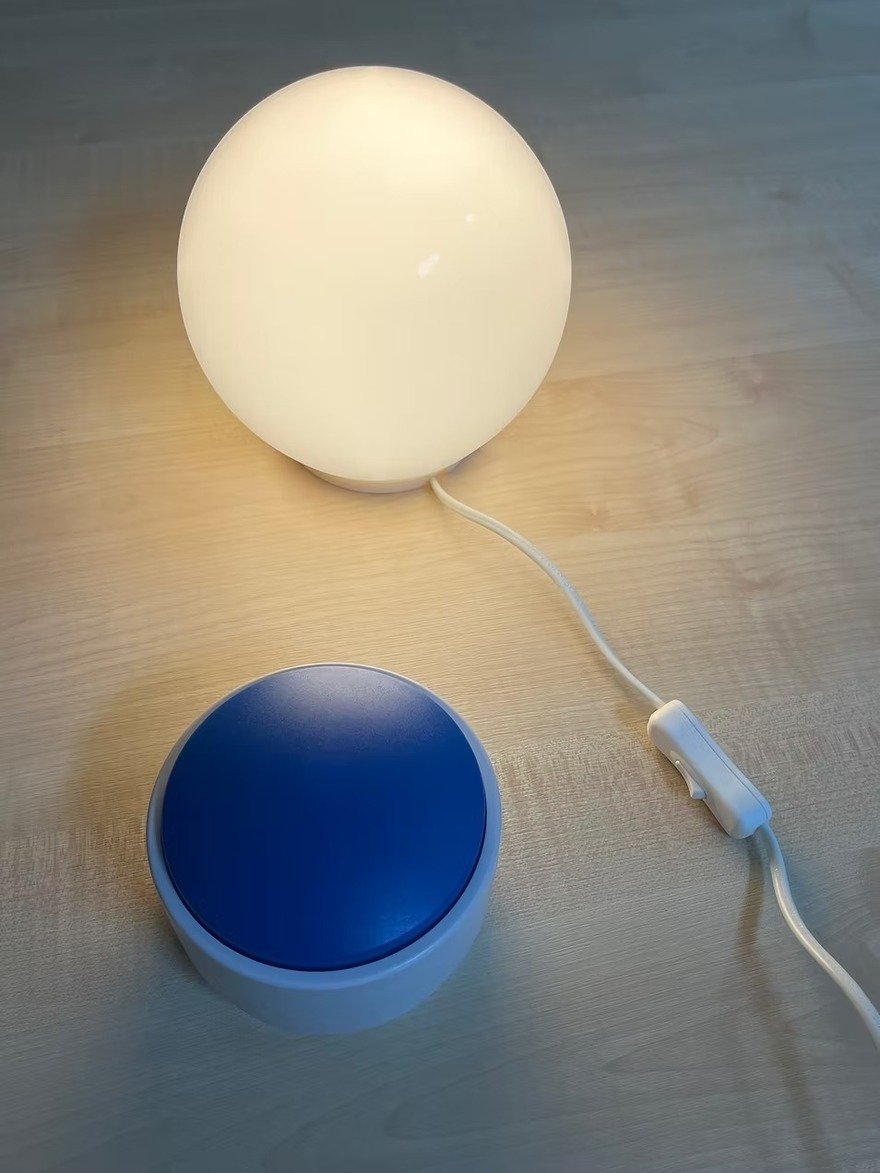
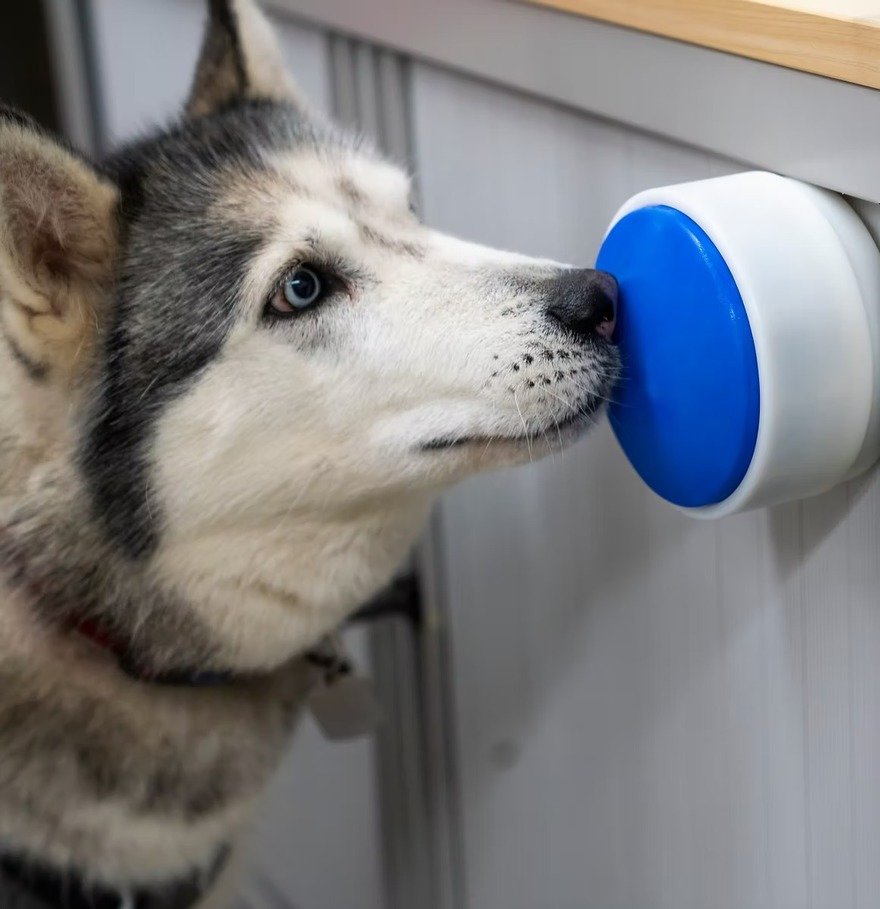
Ruge's design, developed under professor Clara Mancini, has evolved into the Dogosophy Button. Manufactured by Ravencourt, a UK-based company that creates daily living aids for those with disabilities, it's commercially available in the UK. It allows dogs to turn things on and off, which is handy for those with mobility issues.
So what goes into the design of a button for dogs? More than you'd think. Ravencourt explains:
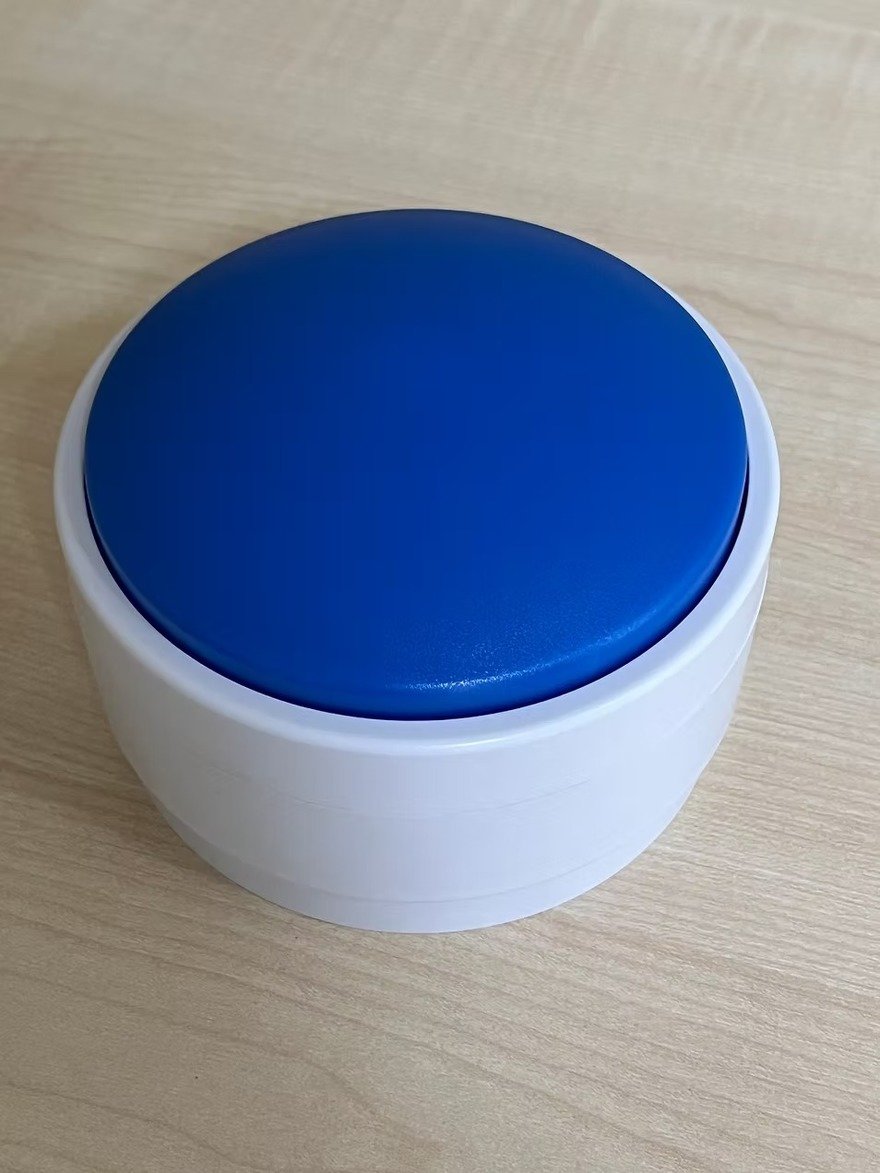
"Its blue push-pad is highly visible for dogs and the contrasting white casing allows it to stand out against any background. Its lightly textured surface provides a comfortable grip, whilst making it easy to keep the pad clean. Its convex profile makes it possible to approach and press it comfortably from different angles.
"The button responds to gentle nudges, for dogs who prefer to use their nose, and withstands energetic pushes, for dogs who prefer to use their paws.
"A soft light inside the button's chamber flashes the moment the control is activated, showing that the interaction has been successful without dazzling dogs' eyes.
"Since it is wireless, the button can be placed or fixed where it is most accessible for the dogs who need to use it, regardless of where the appliance is located, within its 40 metres range."
What the training sessions look like:
And a successfully trained dog using the button:
Unfortunately for us Yanks, the Dogosophy Button is UK-only for now.
Ruge is now the Chief Design Officer for Barknito, a tech startup that gamifies dog training through a mobile app.
 Log in